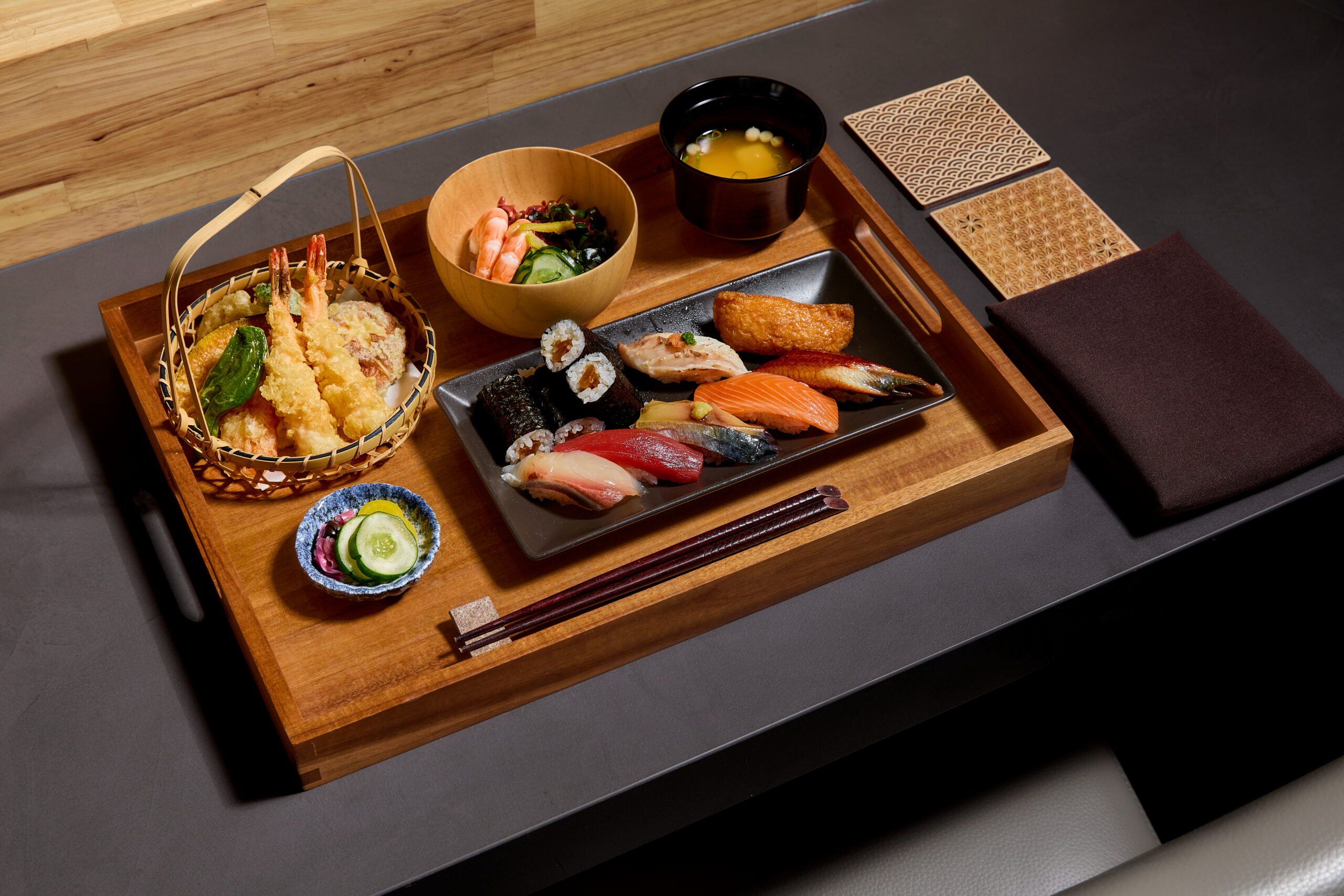
Mountain View, California, is known for its vibrant community, diverse dining scene, and convenient location in the heart of Silicon Valley. With so many restaurants to choose from, local food lovers have plenty of opportunities to explore different cuisines. For those who appreciate Japanese food, sushi in Mountain View offers an especially enjoyable way to discover fresh flavors, traditional techniques, and carefully prepared dishes.
But with different sushi styles, menus, and dining experiences available, where should you begin?
Whether you are searching for a sushi dinner, looking for an elevated Japanese dining experience, or hoping to try omakase for the first time, knowing what to look for can make your experience more enjoyable.
This guide explores what makes sushi dining in Mountain View worth discovering, the different types of sushi you may encounter, how to approach an omakase experience, and how to choose a Japanese restaurant that suits your occasion.
Why Mountain View Is a Great Place for Sushi
Mountain View’s location in Silicon Valley gives it a diverse and internationally influenced food culture. Residents, professionals, families, and visitors can find restaurants representing cuisines from around the world. Japanese cuisine has a particularly strong presence in the Bay Area, and sushi remains a favorite for both longtime enthusiasts and people discovering it for the first time.
A good sushi restaurant offers more than a selection of raw fish. The experience can involve carefully seasoned sushi rice, high-quality seafood, precise knife work, thoughtful presentation, and sauces or garnishes designed to complement each ingredient. For local diners, this means sushi can be as casual or sophisticated as the occasion requires. You might stop in for a few pieces of nigiri after work, enjoy a selection of rolls with friends, or reserve a seat for a more immersive omakase experience in Mountain View.
Understanding the Different Types of Sushi
If you are new to Japanese cuisine, a sushi menu can sometimes feel overwhelming. Understanding a few basic terms can make ordering much easier.
Nigiri consists of a small portion of sushi rice topped with an ingredient, often fish or seafood. Because there are relatively few components, nigiri allows diners to appreciate the natural flavor and texture of the seafood.
Sashimi is sliced raw fish or seafood served without sushi rice. It is a great choice when you want to focus entirely on the quality and texture of the seafood.
Maki refers to rolled sushi, which is typically made with rice and other ingredients wrapped in nori. Rolls can range from relatively simple traditional combinations to more creative preparations.
There are also different styles of sushi and preparation techniques, so don’t be afraid to ask your server or sushi chef if you are unsure about something on the menu. Part of the fun of exploring Japanese food in Mountain View is discovering preparations you may not have tried before.
Try Nigiri to Appreciate the Fish
For many sushi enthusiasts, nigiri is one of the best ways to appreciate the quality of the seafood. Because nigiri is relatively simple, there is little to distract from the main ingredient. The balance between the fish and sushi rice is important, as are the cut, texture, temperature, and seasoning.
Depending on the restaurant and availability, you may also find more specialized or less familiar seafood. If you are visiting a sushi restaurant for the first time, consider ordering a few different types of nigiri rather than choosing only one. Comparing the flavors and textures can help you understand why sushi chefs treat each ingredient differently.
Explore Sashimi for a Simpler Experience
If you prefer to enjoy seafood without rice, sashimi may be the right choice. Sashimi places the fish at the center of the dish. The seafood is sliced carefully and typically served with simple accompaniments that complement rather than overpower its natural flavor.
A well-prepared sashimi selection can highlight differences between fish. Tuna may have a rich, clean flavor, while white fish can offer a more delicate profile. Salmon is known for its richness, and yellowtail often provides a balance between a mild flavor and satisfying texture. For experienced sushi diners, ordering a sashimi selection can also be an opportunity to explore seasonal seafood.
Don’t Overlook Seasonal Fish
One of the most enjoyable aspects of Japanese cuisine is its focus on seasonality. The best sushi experience is not necessarily about ordering the same fish every time. Availability and quality can change throughout the year, and sushi chefs may select different ingredients depending on what is particularly good at a given time.
This is especially important to remember if you are trying omakase in Mountain View. An omakase menu is generally influenced by what the chef considers to be the best ingredients available. This can mean that two visits to the same restaurant may offer different selections.
Rather than expecting an identical menu every time, approach seasonal sushi with curiosity. You may discover a new favorite simply because you allowed the chef to introduce you to something unexpected.
Consider Omakase for a Special Occasion
For a more immersive sushi experience, consider trying omakase. Omakase means entrusting the meal to the chef. Instead of selecting every dish yourself, you allow the chef to determine the progression based on the available ingredients and their approach to the meal.
An omakase experience may include multiple courses featuring nigiri, sashimi, appetizers, cooked dishes, and other seasonal specialties. One of the biggest advantages of omakase is the variety. Rather than ordering several familiar items, you can experience a progression of different flavors and textures.
The chef may begin with lighter preparations before moving toward richer ingredients, creating a balanced experience from beginning to end. For a birthday, anniversary, date night, business dinner, or simply an evening when you want to try something different, an omakase dinner can make the occasion feel particularly memorable.
What Makes a Great Sushi Restaurant?
With different options available, how do you choose where to enjoy sushi in Mountain View?
Start with the quality of the overall dining experience. A good sushi restaurant should demonstrate attention to detail. This includes the quality and handling of seafood, the preparation of sushi rice, cleanliness, presentation, and the knowledge of the sushi team.
The menu should also offer esuch as omakase. This gives you an opportunity to experience the chef’s approach rather than simply choosing individual dishes.
Atmosphere also matters. A relaxed restaurant can be ideal for a casual dinner with friends, while an intimnough variety to suit different preferences while maintaining a clear focus on Japanese culinary traditions. For a more elevated experience, consider restaurants that offer chef-selected options ate sushi counter may be better suited to a special occasion or a meal focused on interacting with the chef. Ultimately, the best sushi restaurant in Mountain View is one that matches the kind of experience you want.
Ask the Sushi Chef for Recommendations
If you are not sure what to order, asking for recommendations can be one of the best ways to make your meal more enjoyable. Tell the chef or server what you typically enjoy. If you prefer mild fish, richer flavors, cooked seafood, or a particular type of sushi, they can often help you find suitable options.
If you are feeling adventurous, let them know that you are interested in trying something new. This is particularly helpful when ordering seasonal fish. You may see an ingredient on the menu that you have never tried before, and the sushi team can explain what it tastes like and how it is prepared. A conversation with the sushi chef can turn an ordinary dinner into a more engaging culinary experience.
How to Approach Your First Omakase
If you have never tried omakase before, there is no need to feel intimidated. Start by letting the restaurant know if you have any food allergies or dietary restrictions. Beyond that, come prepared to trust the chef. You do not need to know the Japanese name for every type of fish. In fact, discovering unfamiliar ingredients is part of the appeal.
Pay attention to the progression of the meal. Notice how the flavors change from one course to the next, how different fish vary in texture, and how the chef uses seasoning and preparation to highlight each ingredient. You can also ask questions. Most sushi chefs are happy to explain what they are serving and why a particular ingredient was selected.
The goal is not to know everything before you arrive. The goal is to enjoy the experience and discover something new.
Sushi Is More Than Just Raw Fish
One common misconception about sushi is that it is simply raw fish and rice. In reality, Japanese sushi involves considerable technique and attention to detail. The rice is an essential part of nigiri and rolls. Its seasoning, temperature, texture, and consistency all affect the finished piece.
Fish also requires careful preparation. Different ingredients may call for different cuts, handling methods, or seasoning. Some seafood may be served raw, while other ingredients can be seared, cooked, cured, or otherwise prepared.
This variety is part of what makes Japanese cuisine so interesting. A thoughtful sushi menu can introduce guests to a wide range of textures and flavors while maintaining a sense of balance throughout the meal.
Pair Your Sushi With the Right Accompaniments
A sushi meal can also be enhanced by thoughtful accompaniments. Soy sauce and wasabi are traditional options, but it is worth remembering that not every piece of sushi needs additional seasoning. Some nigiri may already be seasoned or prepared with a sauce chosen by the chef.
If you are dining at a sushi counter, you can ask whether a particular piece should be dipped in soy sauce or enjoyed as served. Japanese beverages can also complement sushi. Depending on the restaurant, you may find sake, Japanese beer, tea, or other beverage options that pair naturally with different dishes.
The key is balance. Accompaniments should enhance the sushi rather than overwhelm the flavors of the seafood.
Make Sushi Part of Your Mountain View Dining Experience
Whether you live in Mountain View or are visiting the area, exploring the local sushi scene can be an enjoyable way to experience Japanese cuisine. Start with familiar favorites if you prefer. Try salmon, tuna, or yellowtail nigiri. Order sashimi if you want to focus on the seafood itself. Explore different rolls when dining with friends. And when you are ready to take your experience further, consider an omakase meal and let the chef guide you through a carefully selected progression.
The beauty of sushi is that there is always something else to discover. A new seasonal fish, an unfamiliar preparation, or a chef’s interpretation of a classic dish can give you a reason to return.
Discover Sushi Adachi in Mountain View
For those searching for a memorable sushi experience in Mountain View, California, Sushi Adachi offers an authentic Japanese dining experience centered on carefully sourced seafood, traditional Edomae craftsmanship, and an intimate omakase experience. Guests can discover the artistry of nigiri and sashimi while enjoying a chef-curated journey that highlights seasonal ingredients and exceptional Japanese hospitality.
A local’s approach to sushi is simple: start with what you know, be willing to try something new, and let the quality of the ingredients and the chef’s expertise guide the experience. Ready to explore sushi in Mountain View? Visit Sushi Adachi and discover carefully prepared Japanese sushi, fresh seafood, and a thoughtfully crafted dining experience. Whether you are celebrating a special occasion, enjoying an omakase experience, or discovering authentic Japanese cuisine for the first time, our team looks forward to welcoming you and sharing the art and tradition of Japanese cuisine. Reserve a seat now.