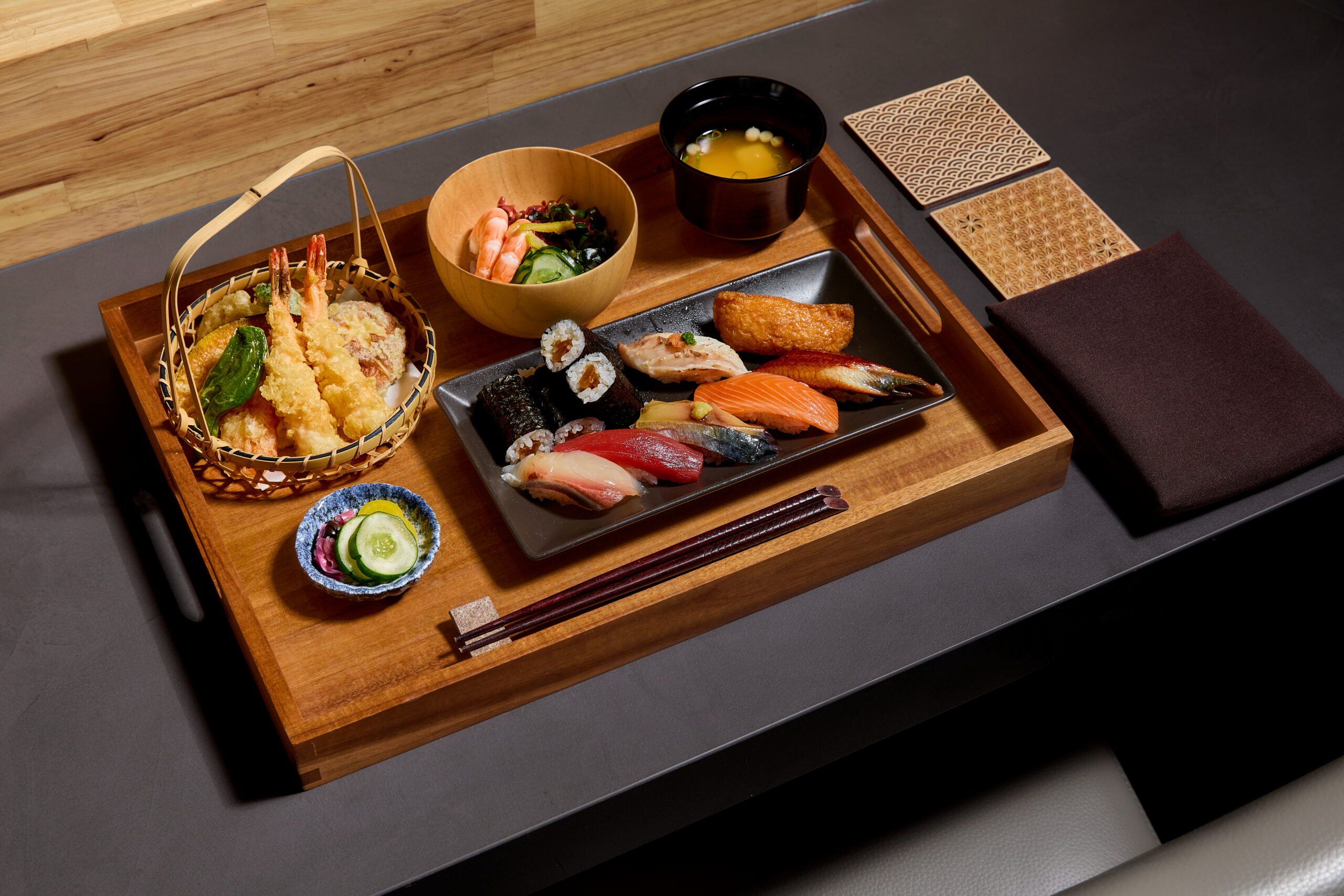
Omakase is one of the most distinctive ways to experience Japanese sushi. Rather than choosing every dish from a menu, guests place their trust in the chef, allowing them to select and serve a sequence of dishes based on the ingredients, season, and style of the restaurant.
For many first-time guests, one question naturally comes to mind: What fish is commonly served during omakase?
The answer can vary considerably. There is no single fixed list of fish that must appear in an omakase experience. A skilled sushi chef may select different seafood depending on availability, seasonality, quality, and the progression of the meal. Some restaurants may feature familiar favorites such as tuna and salmon, while others may introduce guests to less familiar varieties of Japanese fish and seasonal seafood.
Understanding some of the fish commonly found in omakase can make the experience even more enjoyable. Whether you are planning your first omakase in Mountain View or already enjoy Japanese sushi, knowing what to expect can help you appreciate the craftsmanship behind every piece.
What Does Omakase Mean?
The Japanese word omakase roughly translates to “I leave it up to you.” In a sushi restaurant, this means the guest allows the chef to determine the meal rather than selecting every course individually.
An omakase experience can include several different preparations, including sashimi, nigiri, appetizers, cooked dishes, and other seasonal specialties. At a sushi-focused restaurant, however, nigiri and sashimi are often central to the experience.
The chef considers several factors when creating the progression. These can include the season, the freshest available seafood, the characteristics of each ingredient, and how one piece will follow another. This is why an omakase menu can change from one visit to the next.
The fish served during an omakase is not necessarily chosen simply because it is popular. Instead, the chef may select seafood that is particularly fresh, flavorful, or well suited to the experience they want to create.
Tuna
Tuna is one of the most recognizable fish associated with sushi and is a common choice in many omakase experiences. Different parts of the tuna can offer dramatically different textures and flavors. Akami, the lean red meat from the tuna, has a clean, rich flavor and is often appreciated for its balance. More fatty cuts, such as chutoro and otoro, are prized for their softer texture and richer mouthfeel.
A chef may serve different cuts of tuna during an omakase to demonstrate these contrasts. This makes tuna particularly interesting in a chef-led sushi experience. Rather than simply tasting “tuna,” guests may have the opportunity to appreciate how different cuts of the same fish can create very different experiences. When high-quality tuna is available, it can be one of the highlights of an omakase meal.
Yellowtail
Yellowtail, often referred to as hamachi, is another popular fish found in sushi restaurants. Known for its delicate flavor and pleasing texture, hamachi is a favorite among many sushi enthusiasts. It can have a slightly richer character than some leaner white fish while remaining relatively mild and approachable.
Another related fish, kanpachi, may also appear in sushi and omakase menus. Although hamachi and kanpachi are often discussed together, they are distinct fish and can offer different characteristics. When selected for an omakase, yellowtail can add a balance of flavor and texture to the meal.
Sea Bream
Tai, or Japanese sea bream, is a traditional and respected ingredient in Japanese cuisine. Sea bream is often appreciated for its delicate flavor and firm texture. It can be served as sashimi or nigiri, allowing the natural characteristics of the fish to remain prominent.
Tai can be particularly interesting in an omakase because it demonstrates the appeal of subtle flavors. Not every memorable piece of sushi needs to be intensely rich or fatty. Some fish are appreciated for their clean taste, texture, and delicate finish. A carefully selected piece of sea bream can provide contrast to richer fish served elsewhere in the meal.
Mackerel
Mackerel, including varieties such as saba, is another fish that may appear during an omakase. Mackerel has a stronger flavor and higher fat content than many delicate white fish. Because of its distinctive characteristics, it requires thoughtful handling and preparation. In traditional Japanese sushi, saba is often prepared with techniques such as curing, which can help balance its richness while enhancing its flavor.
For diners who are accustomed to mild fish such as tuna or salmon, mackerel can provide an opportunity to explore a more pronounced side of Japanese sushi. It is a good example of why an omakase experience can be so rewarding. The chef has the opportunity to introduce guests to fish they might not otherwise choose for themselves.
Flounder
Hirame, or Japanese flounder, is another fish that may appear in an omakase setting. Flounder is known for its delicate flavor and relatively firm texture. It can be particularly appealing to guests who enjoy lighter sushi and want to experience the natural taste of the seafood.
Like other white fish, Hirame can be served with minimal additions so that its texture and flavor remain the focus. In some preparations, the chef may use a small amount of seasoning or garnish to complement the fish without overpowering it.
Sea Urchin
Although sea urchin, or uni, is technically not a fish, it is an important part of many high-end sushi and omakase experiences. Uni is prized for its creamy texture and distinctive ocean flavor, with Hokkaido uni being particularly valued for its delicate richness and quality. Its character can vary depending on its origin, season, and freshness, making Japanese sourcing an important part of the experience.
In an omakase progression, a chef may feature uni when it is at its best, allowing its rich, naturally sweet flavor to become one of the more memorable moments of the meal. The availability and characteristics of uni can also change throughout the year, which is one reason seasonal sourcing plays such an important role in traditional Japanese sushi.
Other White Fish
White fish are often important components of an omakase progression because they provide a lighter contrast to richer seafood. Snapper and other varieties of Japanese white fish may be served as nigiri or sashimi. Their flavors are often more delicate, with textures that can range from tender to pleasantly firm.
A sushi chef may choose white fish early in the meal, depending on the restaurant’s style and the progression they have planned. These fish can encourage guests to focus on subtle differences in texture, seasoning, and preparation rather than relying solely on richness.
Scallops and Other Seafood
Omakase is not limited to fish. Depending on the restaurant and the chef, an omakase menu may include other seafood such as scallops, shrimp, crab, squid, or octopus. These ingredients can add variety in both flavor and texture.
Scallops, for example, offer a naturally sweet flavor and tender texture. Squid can have a firmer, chewier texture and may be prepared in ways that enhance its natural sweetness.
The inclusion of different seafood helps prevent the meal from becoming repetitive. Each course can provide a different sensory experience. This variety is one of the defining pleasures of chef-selected dining.
How Seasonality Influences Omakase Fish
One of the most important things to understand about omakase is that the menu can change with the seasons. Japanese cuisine places significant emphasis on seasonal ingredients, and sushi is no exception. Certain fish and seafood may be at their best during particular times of the year.
A chef may therefore choose a particular fish because it is especially flavorful or available at its peak. This seasonal approach is one reason guests may have different omakase experiences at the same restaurant throughout the year.
Instead of expecting exactly the same fish every time, diners can approach omakase with curiosity and allow the chef to determine what is best for that particular meal.
How the Chef Creates a Balanced Omakase
Choosing excellent fish is only one part of creating a successful omakase. The order in which the sushi is served also matters. A chef may begin with lighter, more delicate flavors before gradually introducing richer and more intensely flavored ingredients.
Texture is another consideration. A sequence might move between soft, firm, delicate, and rich textures to create variety throughout the meal. Seasonings, sauces, garnishes, and the temperature of the sushi rice can also contribute to the overall progression.
This is what makes omakase different from simply ordering individual pieces of sushi from a menu. The chef is creating a complete dining experience rather than presenting unrelated dishes.
Why Fish Quality Matters in Omakase
When the chef is choosing the menu, the quality of the ingredients becomes particularly important. Sushi is relatively simple compared with many other cuisines. There are often only a few components on the plate, which means the quality and preparation of each ingredient can have a significant impact. Freshness, texture, flavor, sourcing, and preparation all contribute to the final experience.
An experienced sushi chef understands how to work with each type of fish and determines the best way to present it. Some fish may benefit from a particular cut or seasoning, while others may be best served with minimal intervention. The goal is not necessarily to make every ingredient taste the same. Instead, the chef aims to highlight what makes each one special.
What Should You Expect During Your First Omakase?
If you have never experienced omakase before, it is perfectly normal not to recognize every fish or seafood item you are served. One of the pleasures of omakase is discovering something unfamiliar. If you have allergies, dietary restrictions, or ingredients you cannot eat, it is important to tell the restaurant ahead of time. Otherwise, consider approaching the experience with an open mind.
You can also ask the chef or sushi team about the fish being served. Learning the name, origin, preparation, and characteristics of an ingredient can make the experience more engaging. Instead of focusing on whether a particular fish is one you would normally order, pay attention to its texture, flavor, temperature, and how it compares with the pieces served before and after it. That is where much of the enjoyment of omakase comes from.
Experience the Variety of Omakase at Sushi Adachi
The fish served during omakase can range from familiar favorites such as tuna, salmon, and yellowtail to delicate white fish, mackerel, seasonal seafood, and other carefully selected ingredients. There is no universal omakase menu. The experience depends on the chef, the restaurant, the season, and the seafood available at the time.
That element of discovery is part of what makes omakase in Silicon Valley such an appealing dining experience. Rather than deciding exactly what you want before you sit down, you allow the chef to guide you through a carefully considered progression of Japanese sushi. At Sushi Adachi, guests can experience the craftsmanship, balance, and attention to detail that make omakase such a special part of Japanese dining.
Ready to discover the art of chef-selected sushi? Visit Sushi Adachi in Mountain View and experience an omakase meal designed to showcase carefully selected seafood, thoughtful preparation, and the traditions of Japanese sushi. Whether you are enjoying omakase for the first time or are already a sushi enthusiast, let our chefs guide you through a memorable dining experience where every course offers something new to discover. Book your table now.