The Rise of Omakase Dining in Silicon Valley

What Is Omakase Dining?

Omakase is a Japanese dining tradition built around trust between the guest and the chef. The word is commonly translated as “I leave it up to you,” reflecting the idea that guests allow the chef to select and prepare the dishes.

Unlike ordering individual items from a traditional menu, an omakase experience typically follows a carefully considered progression. The chef chooses ingredients based on quality, seasonality, availability, and the flow of the meal.

For diners, this creates an opportunity to experience sushi in a more personal and immersive way. Instead of simply choosing what looks familiar, guests can discover ingredients and preparations they may not have selected on their own.

Why Omakase Is Growing in Silicon Valley

Silicon Valley has long been associated with innovation, technology, and a diverse international community. Its dining culture reflects that same curiosity, with guests increasingly interested in experiences that offer authenticity, craftsmanship, and something beyond an ordinary meal.

Omakase fits naturally into this environment. It combines precision with creativity while giving diners the opportunity to explore traditional Japanese cuisine through the perspective of an experienced chef.

For busy professionals and food enthusiasts alike, an omakase meal can also provide a welcome change from fast and highly customizable dining. The focus shifts toward slowing down, paying attention, and appreciating each course as it arrives.

Omakase Offers More Than Just Sushi

While sushi is often at the center of an omakase experience, the concept involves much more than simply serving a selection of nigiri. A well planned omakase meal can create a progression of flavors, textures, temperatures, and preparations. The chef may introduce guests to seasonal seafood, carefully prepared appetizers, sashimi, nigiri, and other Japanese specialties.

Each course has a purpose. Earlier dishes may prepare the palate for richer flavors later in the meal, while the progression can gradually introduce different types of seafood and preparation techniques. This makes every visit an opportunity to experience something different.

The Importance of Seasonality

Seasonality is one of the defining elements of Japanese cuisine. Ingredients are selected not only because they are available, but because they can offer exceptional flavor and quality at a particular time of year.

In omakase dining, this seasonal approach gives chefs the freedom to adjust the menu according to what is at its best. For guests, it means that an omakase meal is not necessarily the same every time. Returning to the same restaurant can reveal different seafood, flavors, and preparations depending on the season and the ingredients available to the chef.

The Chef Becomes Part of the Experience

One of the biggest differences between omakase and conventional restaurant dining is the relationship between chef and guest. Rather than simply preparing dishes from a fixed menu, the chef guides the experience. Decisions about ingredients, preparation, timing, and presentation are part of the meal.

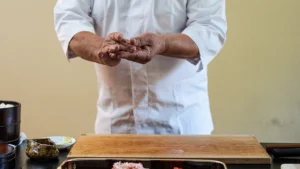
At an intimate sushi counter, guests can often observe the chef working closely with each ingredient. Watching seafood being sliced and nigiri being prepared adds another dimension to the dining experience. This interaction can make omakase feel more personal than a typical restaurant meal.

Authenticity and Modern Dining

The growing popularity of omakase in Silicon Valley does not necessarily mean abandoning tradition for modern tastes. In many cases, it reflects a desire to experience authentic culinary traditions in a contemporary setting.

Traditional techniques can remain at the center of the experience while chefs bring their own knowledge, personality, and perspective to the menu. This balance between tradition and individuality is part of what makes omakase appealing to a diverse audience. Guests can experience the principles of Japanese sushi while enjoying an intimate dining format that feels distinctive and current.

Why Ingredients Matter in Omakase

When a chef controls the menu, ingredient quality becomes particularly important. Each piece needs to contribute to the progression of the meal. Seafood sourcing is therefore a major part of the omakase experience. The origin, quality, seasonality, and handling of the fish can influence everything from texture to flavor. At a restaurant committed to traditional Japanese sushi, sourcing can also connect the dining experience to the culinary culture of Japan.

Discover Omakase at Sushi Adachi

Located in Mountain View, Sushi Adachi offers an intimate omakase experience rooted in Japanese tradition and the Edomae philosophy of sushi. Chef Adachi personally sources seafood from Toyosu Market in Tokyo, bringing carefully selected ingredients to the restaurant.

Michelin awarded Executive Chef Masa Sasaki also brings his culinary expertise to the experience, helping create a thoughtful approach to Japanese dining that emphasizes quality, technique, and attention to detail.

For diners exploring the best omakase in Mountain View, Sushi Adachi offers an opportunity to step away from the ordinary and experience sushi through the chef’s perspective. From carefully selected seafood to precise preparation and an intimate setting, every element is designed to make the meal memorable. 

Visit Sushi Adachi to discover the omakase experience and book your Japanese dining experience in Mountain View.
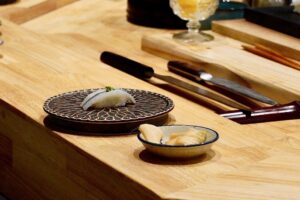
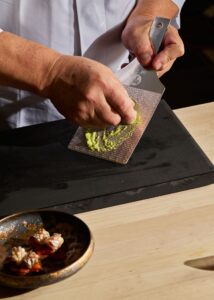
sushi adachi homepage

Why Fresh Fish Makes All the Difference in Sushi

When it comes to exceptional sushi, the quality of the fish can make all the difference. Sushi is intentionally simple, which means there are very few ingredients to distract from the seafood itself. When the fish is carefully sourced, properly handled, and expertly prepared, its natural flavor and texture can become the centerpiece of the entire dining experience.

For first time guests, it may be easy to think that all sushi tastes relatively similar. But once you begin paying attention to the seafood, you can discover subtle differences in flavor, texture, aroma, and finish. Fresh, high quality fish allows these characteristics to come through naturally.

Fresh Fish Brings Out Natural Flavor

One of the most noticeable differences quality seafood can make is flavor. Properly handled fish should have a clean, delicate taste that reflects its natural characteristics. Depending on the variety, you might notice sweetness, richness, umami, or a subtle oceanic flavor. These qualities are particularly important in nigiri and sashimi, where the seafood is served with minimal ingredients.

Instead of relying on heavy sauces or seasonings, traditional sushi often allows the fish to speak for itself. This makes the quality of the seafood an essential part of the experience.

Texture Is Just as Important as Flavor

Great sushi is not only about how the fish tastes. Texture plays an equally important role. Different varieties of seafood have distinctive textures. Some are firm and delicate, while others are soft, buttery, or pleasantly chewy. Proper storage and handling help preserve the characteristics that make each type of fish unique.

The chef’s knife technique also matters. The thickness, direction, and style of each cut can influence how the seafood feels when you take a bite. Expert preparation ensures that the fish has the right texture and works naturally with the sushi rice.

Freshness Starts With Sourcing

The quality of sushi begins long before the fish reaches the restaurant. Sourcing plays a major role in determining what ultimately appears on the plate. For a serious sushi restaurant, selecting seafood is not simply about finding ingredients that meet basic standards. It involves understanding the origin, seasonality, quality, and characteristics of different varieties of fish. Access to respected seafood markets can give chefs the opportunity to select exceptional ingredients and create a menu that reflects the quality of the seafood available.

Toyosu Market and the Tradition of Japanese Seafood

Toyosu Market in Tokyo is one of the world’s most recognized seafood markets and plays an important role in Japan’s culinary culture. It is known for its extensive selection of seafood and its connection to the traditions surrounding Japanese sushi.

For chefs committed to authentic sushi, sourcing seafood from Tokyo can provide access to ingredients that support a traditional Japanese dining experience. At Sushi Adachi, Chef Adachi personally sources seafood from Toyosu Market. This connection to one of Japan’s most important seafood markets reflects the restaurant’s commitment to ingredient quality and traditional sushi craftsmanship.

Fresh Fish Does Not Always Mean Newly Caught

There is an important distinction between freshness and simply being recently caught. Different types of fish can require different approaches to handling and preparation. In some cases, carefully controlled aging can help develop flavor and improve texture. Experienced sushi chefs understand these differences and know that the goal is not necessarily to serve every fish immediately.

Instead, the goal is to present each ingredient when it offers the best combination of flavor, texture, and overall quality. This understanding is an important part of traditional sushi preparation. The chef’s knowledge helps determine how an ingredient should be stored, prepared, sliced, seasoned, and served.

The Role of the Sushi Chef

Even the finest seafood requires careful preparation. A skilled sushi chef understands how to bring out the best qualities of each ingredient. Temperature, knife technique, portion size, seasoning, and timing all influence the final bite. The chef also considers how the seafood will interact with the sushi rice and other elements of the dish. This is particularly important with nigiri. With only rice and fish forming the foundation of the piece, every detail becomes noticeable.

Fresh Fish and Sushi Rice Work Together

Although seafood receives most of the attention, excellent sushi requires harmony between the fish and the rice. Sushi rice has its own texture, temperature, seasoning, and subtle flavor. When prepared correctly, it complements rather than competes with the seafood.

The ideal piece of nigiri creates balance. The rice provides structure and seasoning while the fish contributes its natural flavor and texture. When these elements are carefully matched, the result can feel remarkably simple yet sophisticated.

Why Freshness Matters More in Sushi

Freshness is particularly important in sushi because seafood is often served raw or with very minimal cooking. There is no heavy cooking process or rich sauce to transform the ingredient. This means the quality of the fish remains highly visible and noticeable.

Color, aroma, texture, flavor, and overall presentation all contribute to the experience. Proper sourcing and handling help ensure that the seafood reaches the guest in the best possible condition. For this reason, a restaurant’s approach to seafood sourcing can tell you a great deal about its overall philosophy.

Experience the Difference at Sushi Adachi

At Sushi Adachi, the quality of the seafood is central to the dining experience. Located in Mountain View, the restaurant combines carefully selected ingredients with traditional Edomae sushi techniques and thoughtful preparation.

Chef Adachi personally sources seafood from Toyosu Market in Tokyo, while Michelin awarded Executive Chef Masa Sasaki brings his culinary expertise to the restaurant’s intimate sushi experience. Together, these elements create an approach that places exceptional ingredients and craftsmanship at the heart of every dish.

Whether you are discovering nigiri for the first time or looking for the best sushi or omakase dining in Mountain View, Sushi Adachi invites you to experience how carefully sourced seafood, skilled preparation, and Japanese tradition can transform a simple piece of sushi into something memorable. Plan your next dining experience and book now.

The Most Popular Sushi and Nigiri for First Time Guests

Understanding nigiri and omakase can make your first experience more comfortable. Nigiri offers a direct way to appreciate the relationship between seafood and seasoned rice, while omakase allows the chef to guide you through a thoughtful progression of seasonal dishes. Read through to understand options when dining at Sushi Adachi.

What Is Nigiri?

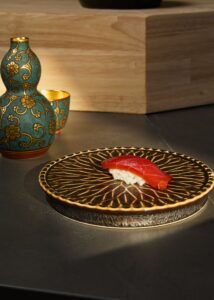
Nigiri consists of a small portion of seasoned sushi rice topped with seafood. Although the presentation looks simple, each piece reflects careful decisions about temperature, texture, seasoning, knife work, and balance.

Some seafood may be served raw, while other selections may be cured, marinated, seared, or cooked. The chef may also add a small amount of wasabi, soy sauce, citrus, or another seasoning, so the piece is generally intended to be enjoyed as presented.

Because nigiri contains few components, it allows the character of each ingredient to remain at the center of the experience.

Popular Nigiri for First-Time Guests

The exact selection at an omakase restaurant changes with the season and the quality of the ingredients available. However, several styles of nigiri can offer an approachable introduction for first-time guests.

Bluefin Tuna Nigiri

Bluefin tuna is a classic place to begin. Lean bluefin tuna, often called akami, has a clean flavor and firm, tender texture. It may also be marinated to deepen its savory character while maintaining a balanced taste.

Richer cuts such as chutoro or otoro contain more marbling and have a softer, more buttery texture. Tasting different cuts of tuna can show how much flavor and texture can vary within a single fish.

Seasonal Silver-Skinned Fish

Silver-skinned fish, sometimes grouped under the Japanese term aomono, are an important part of traditional sushi. Depending on the season, the chef may serve selections such as mackerel or another regional fish.

These fish often have a more distinctive flavor than tuna. Careful curing and seasoning help create a balanced bite, making them a rewarding next step for guests who want to explore beyond the mildest options.

Yellowtail

Yellowtail is known for its smooth texture and clean, gently rich flavor. Depending on the chef’s selection and the evening’s menu, it may appear as nigiri or in a temaki hand roll.

Temaki is made by wrapping rice and seafood in crisp nori. It is typically eaten soon after it is served so guests can enjoy the contrast between the delicate filling and the texture of the seaweed.

Cooked or Seared Selections

Not every sushi course is completely raw. An omakase progression may include seafood that has been cooked, simmered, cured, or lightly seared. These preparations can be approachable for guests who are still becoming comfortable with raw fish while also demonstrating the range of traditional Japanese techniques.

Because the menu is seasonal, guests with food allergies, dietary restrictions, or concerns about raw seafood should contact the restaurant before their reservation.

What Is Omakase?

Omakase means “I leave it up to you.” Instead of choosing every item yourself, you trust the chef to create a progression based on the best ingredients available that day.

At Sushi Adachi, the experience extends beyond nigiri. A menu may also include small dishes, soup, seasonal preparations, a temaki hand roll, and dessert. The specific courses can change as the chefs respond to the season and the seafood selected for service.

For a first-time guest, this a great option as you can focus on each course as it arrives and learn how the chef builds contrast through flavor, temperature, richness, and texture.

How to Enjoy Nigiri for the First Time

You do not need to memorize Japanese terms or follow complicated rules. A few simple suggestions can help you feel at ease:

– Eat each piece soon after it is served, when the temperature and texture are as the chef intended.

– Enjoy the nigiri as presented before adding soy sauce or other seasoning.

– Let the staff know in advance about allergies or dietary restrictions.

– Ask questions when appropriate; learning about an ingredient can add to the experience.

– Approach unfamiliar courses with curiosity, but communicate any genuine concerns before dining.

Omakase is designed as a progression, so each bite has a place within the larger meal. Slowing down and noticing the rice, seafood, seasoning, and texture can make the experience more rewarding.

 Enjoy Sushi at Your Own Pace

Discovering sushi is a personal experience. You may immediately enjoy the clean flavor of lean tuna, prefer the richness of a more marbled cut, or find that a carefully cooked or cured preparation is your favorite course.

There is no need to arrive with extensive knowledge. One of the pleasures of omakase is allowing a skilled chef to introduce ingredients in a deliberate order, giving you the opportunity to appreciate both familiar and unexpected flavors.

Discover Exceptional Sushi at Sushi Adachi

For guests looking to explore authentic Japanese sushi in Mountain View, Sushi Adachi offers an intimate dining experience centered around quality ingredients and traditional craftsmanship. Chef Adachi personally sources seafood from Toyosu Market in Tokyo, while Michelin awarded Executive Chef Masa Sasaki brings extensive culinary expertise to the experience.

Whether you are enjoying sushi, discovering nigiri for the first time, or looking to experience a refined omakase meal, Sushi Adachi provides an opportunity to explore Japanese sushi with carefully selected seafood and an authentic Edomae philosophy. Reserve your table at Sushi Adachi to explore the dining experience.

How Freshness Impacts Your Sushi Experience

When you sit down for a sushi meal, freshness is one of the first things that can shape your entire experience. From the delicate texture of sashimi to the clean flavor of nigiri, high quality ingredients allow the natural character of each piece to come through. In traditional sushi, where ingredients are often served with minimal sauces and toppings, there is very little to hide behind. The quality of the seafood, rice, and preparation matters from the very first bite.

But freshness is about more than simply serving fish that was caught recently. For a skilled sushi chef, freshness also involves sourcing, temperature control, handling, preparation, and understanding when an ingredient is at its best. Some fish are most enjoyable when served exceptionally fresh, while others benefit from careful aging or preparation that develops their flavor and texture. 

Freshness Brings Out Natural Flavor

One of the biggest differences freshness makes is flavor. High quality seafood should have a clean, delicate taste that allows you to appreciate the natural characteristics of the fish. Instead of an overpowering fishy smell or taste, properly handled seafood can offer subtle sweetness, umami, richness, or a clean oceanic character.

This is especially important in sushi because traditional preparations are intentionally simple. A piece of nigiri may contain little more than expertly prepared rice, carefully sliced fish, and a small amount of seasoning. When the ingredients are exceptional, the simplicity of the dish becomes part of its appeal.

Texture Can Change Everything

Flavor may be the first thing you notice, but texture is equally important to the sushi experience. Properly handled seafood should have a pleasant texture that complements the type of fish being served.

Fresh fish generally has a firm, delicate texture rather than feeling mushy or excessively soft. How the seafood is stored, cut, and prepared also affects the final bite. A sushi chef’s knife technique can make a noticeable difference because the way a fish is sliced influences how it feels on the palate. This attention to texture is one reason sushi can feel so different from other seafood dishes. Each piece is designed to provide a specific balance between the fish, rice, seasoning, and mouthfeel.

Freshness Begins Long Before the Restaurant

The sushi experience begins before the fish reaches the chef’s cutting board. Responsible sourcing and careful handling are essential for maintaining quality throughout the journey from the seafood market to the restaurant.

Seafood is highly perishable, so temperature control plays an important role in preserving its quality. Rapid chilling and proper storage help slow deterioration and protect the texture and flavor of the fish. 

For a serious sushi restaurant, sourcing is therefore an important part of the culinary philosophy. Knowing where seafood comes from and how it has been handled gives chefs greater control over the quality they ultimately serve.

Fresh Does Not Always Mean Straight From the Ocean

There is a common misconception that the best sushi must always involve fish that was caught only hours earlier. In reality, freshness and quality are more nuanced.

Certain fish can benefit from carefully controlled aging. During this process, natural changes in the fish can help develop deeper flavors and a more desirable texture. The goal is not simply to serve seafood as quickly as possible. The goal is to serve each ingredient when its flavor, texture, and overall quality are at their best. 

This is where the experience of the sushi chef becomes especially important. Understanding different types of seafood and knowing how each one responds to storage and preparation can elevate an otherwise simple piece of sushi.

The Importance of Sushi Rice

Fresh seafood may receive most of the attention, but sushi rice is just as important to the overall experience. The rice provides the foundation for nigiri and many other forms of sushi, and its temperature, texture, seasoning, and preparation need to complement the fish.

Well prepared sushi rice should have enough structure to hold together while remaining tender when you bite into it. The balance of rice vinegar, sweetness, salt, and temperature can influence how the flavors of the seafood are perceived. When the fish and rice are properly balanced, neither ingredient overwhelms the other. Instead, they work together to create a more complete bite.

Freshness Allows Simplicity

One of the most beautiful aspects of high quality sushi is that it does not need to be complicated. When seafood is carefully sourced and handled, the chef can allow its natural qualities to take center stage.

This is why traditional sushi often relies on restrained seasoning rather than heavy sauces. A small amount of soy sauce, wasabi, or another carefully selected accompaniment can enhance the fish without covering up its character. The result is a dining experience where you can pay attention to subtle differences between varieties of seafood, seasonal ingredients, and individual preparations.

The Chef’s Role in the Freshness Experience

Fresh ingredients alone do not automatically create exceptional sushi. The chef’s knowledge and technique are what transform those ingredients into a memorable meal. A skilled sushi chef considers the characteristics of each ingredient before deciding how it should be sliced, seasoned, paired, and served. Temperature, timing, knife technique, rice preparation, and presentation all contribute to the final experience.

This is particularly evident in omakase, where the chef guides the progression of the meal and selects ingredients based on quality, seasonality, and balance. Each course becomes an opportunity to experience seafood at its ideal point.

What You Should Notice During Your Next Sushi Meal

The next time you enjoy sushi, take a moment to slow down and pay attention to the details. Notice the aroma before tasting the fish. Consider its texture as you take the first bite. Pay attention to the natural flavor and how it interacts with the sushi rice.

Fresh, properly handled seafood should generally have a clean appearance and subtle aroma rather than an overpowering fishy smell. Texture, color, sourcing, storage, and preparation all contribute to seafood quality, which means freshness cannot be judged by a single characteristic alone.  Once you begin noticing these details, sushi becomes more than a meal. It becomes an appreciation of ingredients, craftsmanship, timing, and tradition.

Experience the Difference at Sushi Adachi

At Sushi Adachi, freshness and quality are central to the sushi experience. Located in Mountain View, Sushi Adachi brings together an authentic Edomae philosophy, carefully selected seafood, and the skill of experienced sushi chefs. Chef Yoshikazu Adachi personally sources seafood from Toyosu Market in Tokyo, while Michelin awarded Executive Chef Masa Sasaki brings his expertise and culinary perspective to the experience.

Whether you are looking for an intimate omakase experience, exceptional sushi in Mountain View, or a memorable Japanese dining experience, Sushi Adachi invites you to discover how carefully sourced ingredients and thoughtful preparation can transform every bite. Visit Sushi Adachi to explore the menu and plan your next sushi experience. Book a reservation now.