The Rise of Omakase Dining in Silicon Valley
What Is Omakase Dining?
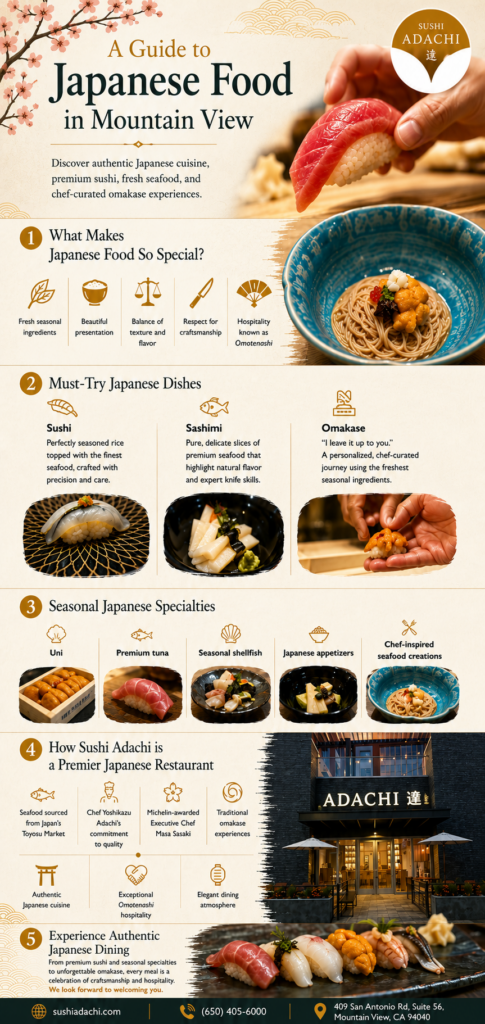
Omakase is a Japanese dining tradition built around trust between the guest and the chef. The word is commonly translated as “I leave it up to you,” reflecting the idea that guests allow the chef to select and prepare the dishes.
Unlike ordering individual items from a traditional menu, an omakase experience typically follows a carefully considered progression. The chef chooses ingredients based on quality, seasonality, availability, and the flow of the meal.
For diners, this creates an opportunity to experience sushi in a more personal and immersive way. Instead of simply choosing what looks familiar, guests can discover ingredients and preparations they may not have selected on their own.
Why Omakase Is Growing in Silicon Valley
Silicon Valley has long been associated with innovation, technology, and a diverse international community. Its dining culture reflects that same curiosity, with guests increasingly interested in experiences that offer authenticity, craftsmanship, and something beyond an ordinary meal.
Omakase fits naturally into this environment. It combines precision with creativity while giving diners the opportunity to explore traditional Japanese cuisine through the perspective of an experienced chef.
For busy professionals and food enthusiasts alike, an omakase meal can also provide a welcome change from fast and highly customizable dining. The focus shifts toward slowing down, paying attention, and appreciating each course as it arrives.
Omakase Offers More Than Just Sushi
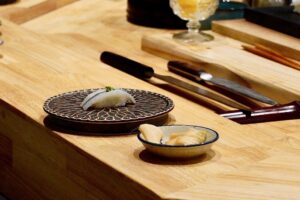
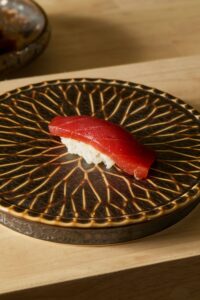
While sushi is often at the center of an omakase experience, the concept involves much more than simply serving a selection of nigiri. A well planned omakase meal can create a progression of flavors, textures, temperatures, and preparations. The chef may introduce guests to seasonal seafood, carefully prepared appetizers, sashimi, nigiri, and other Japanese specialties.
Each course has a purpose. Earlier dishes may prepare the palate for richer flavors later in the meal, while the progression can gradually introduce different types of seafood and preparation techniques. This makes every visit an opportunity to experience something different.
The Importance of Seasonality
Seasonality is one of the defining elements of Japanese cuisine. Ingredients are selected not only because they are available, but because they can offer exceptional flavor and quality at a particular time of year.
In omakase dining, this seasonal approach gives chefs the freedom to adjust the menu according to what is at its best. For guests, it means that an omakase meal is not necessarily the same every time. Returning to the same restaurant can reveal different seafood, flavors, and preparations depending on the season and the ingredients available to the chef.
The Chef Becomes Part of the Experience
One of the biggest differences between omakase and conventional restaurant dining is the relationship between chef and guest. Rather than simply preparing dishes from a fixed menu, the chef guides the experience. Decisions about ingredients, preparation, timing, and presentation are part of the meal.
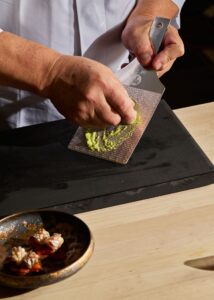
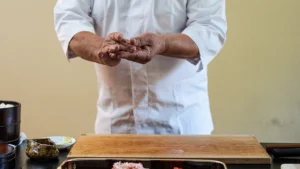
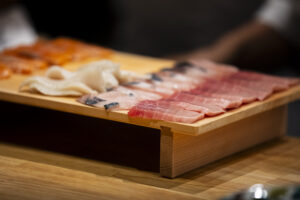
At an intimate sushi counter, guests can often observe the chef working closely with each ingredient. Watching seafood being sliced and nigiri being prepared adds another dimension to the dining experience. This interaction can make omakase feel more personal than a typical restaurant meal.
Authenticity and Modern Dining
The growing popularity of omakase in Silicon Valley does not necessarily mean abandoning tradition for modern tastes. In many cases, it reflects a desire to experience authentic culinary traditions in a contemporary setting.
Traditional techniques can remain at the center of the experience while chefs bring their own knowledge, personality, and perspective to the menu. This balance between tradition and individuality is part of what makes omakase appealing to a diverse audience. Guests can experience the principles of Japanese sushi while enjoying an intimate dining format that feels distinctive and current.
Why Ingredients Matter in Omakase
When a chef controls the menu, ingredient quality becomes particularly important. Each piece needs to contribute to the progression of the meal. Seafood sourcing is therefore a major part of the omakase experience. The origin, quality, seasonality, and handling of the fish can influence everything from texture to flavor. At a restaurant committed to traditional Japanese sushi, sourcing can also connect the dining experience to the culinary culture of Japan.
Discover Omakase at Sushi Adachi
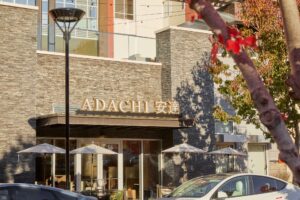
Located in Mountain View, Sushi Adachi offers an intimate omakase experience rooted in Japanese tradition and the Edomae philosophy of sushi. Chef Adachi personally sources seafood from Toyosu Market in Tokyo, bringing carefully selected ingredients to the restaurant.
Michelin awarded Executive Chef Masa Sasaki also brings his culinary expertise to the experience, helping create a thoughtful approach to Japanese dining that emphasizes quality, technique, and attention to detail.
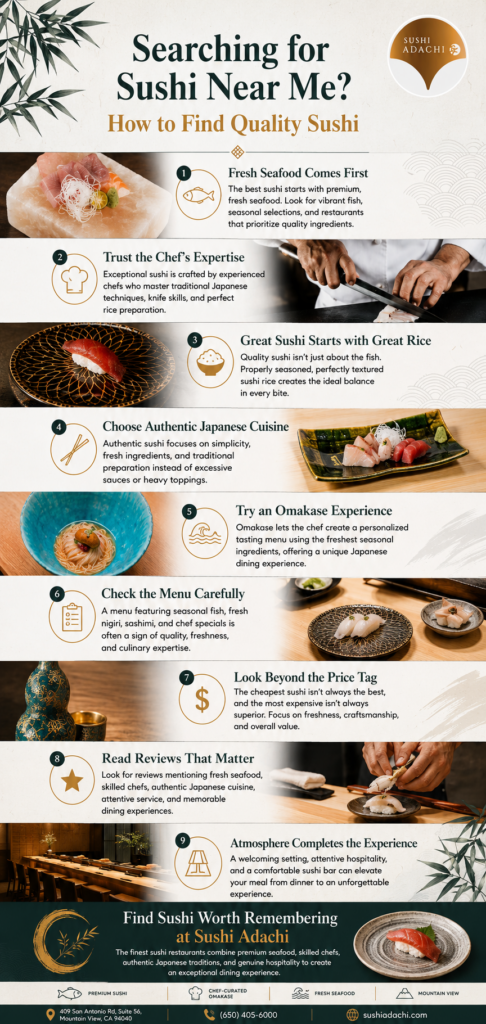
For diners exploring the best omakase in Mountain View, Sushi Adachi offers an opportunity to step away from the ordinary and experience sushi through the chef’s perspective. From carefully selected seafood to precise preparation and an intimate setting, every element is designed to make the meal memorable.
Visit Sushi Adachi to discover the omakase experience and book your Japanese dining experience in Mountain View.