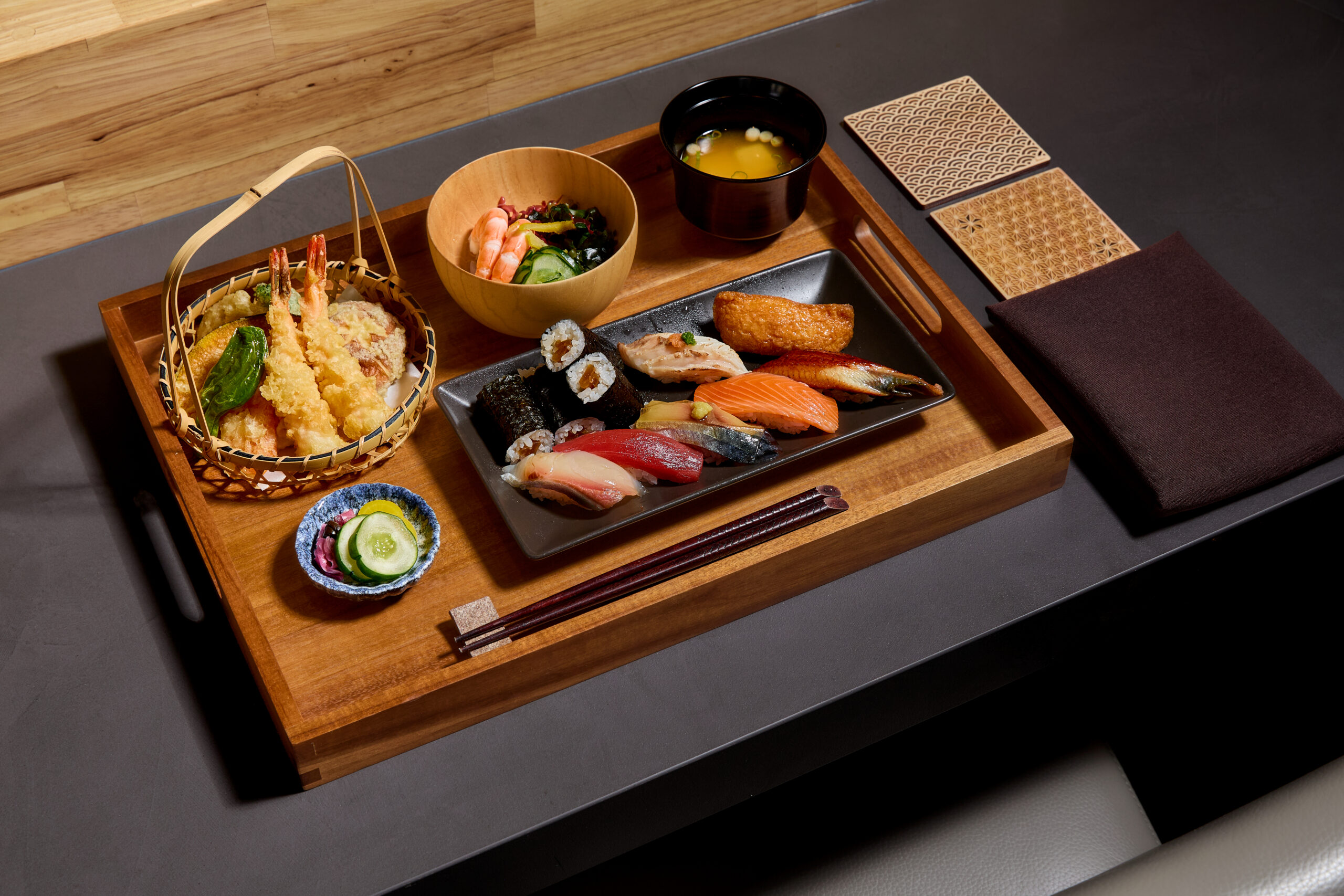
Finding great sushi in Mountain View or anywhere in Silicon Valley starts with knowing what matters beyond convenience. When you type “sushi near me,” the top results are plentiful, but the best spot balances fresh fish, skilled preparation, and an atmosphere that matches your mood, whether you want a quick lunch roll, an omakase experience, or a relaxed dinner with friends.
While convenience matters, not every sushi restaurant offers the same level of freshness, craftsmanship, or authenticity. Quality sushi is about much more than beautifully arranged rolls. The finest sushi restaurants focus on premium ingredients, experienced chefs, traditional techniques, and exceptional hospitality that elevate every meal.
Whether you’re planning a casual dinner, celebrating a special occasion, or exploring Japanese cuisine for the first time, knowing what to look for can help you find a sushi restaurant worth visiting. Understanding the following elements can help you identify restaurants that offer more than just a meal, they offer an authentic Japanese dining experience.
Fresh Seafood Is the Foundation of Great Sushi
No ingredient has a greater impact on sushi than the seafood itself. Fresh fish should have a clean aroma, vibrant appearance, and delicate texture that highlights its natural flavor. High-quality sushi restaurants devote significant attention to sourcing seafood, ensuring that each ingredient arrives in peak condition before it reaches the sushi counter.
Many respected Japanese restaurants also build their menus around seasonal availability. Rather than offering the exact same selection every day, they adapt their offerings to showcase fish and seafood that are at their best during different times of the year. This commitment to seasonality reflects one of the core principles of Japanese cuisine and often results in a more memorable dining experience.
The Skill of the Sushi Chef Makes All the Difference
Behind every exceptional piece of sushi is a chef who has spent years refining their craft. Sushi preparation is one of the most disciplined culinary arts, requiring extensive training in knife techniques, fish selection, rice preparation, and presentation.
Experienced chefs understand how subtle variations in temperature, texture, and seasoning influence each bite. They know when seafood has reached its ideal maturity, how to prepare rice with perfect consistency, and how to balance flavors without overwhelming the natural qualities of the ingredients. Watching a skilled sushi chef at work is often part of the experience itself, offering diners a deeper appreciation for the precision and artistry behind every course.
Sushi Rice Is Just as Important as the Fish
While seafood often receives the most attention, sushi rice is equally important to creating exceptional sushi. In fact, many Japanese chefs consider perfectly prepared rice to be the heart of every piece of nigiri.
The rice should be lightly seasoned, slightly warm, and carefully shaped to complement the seafood placed on top. Its texture should hold together without becoming dense or sticky, allowing each bite to feel balanced and effortless. When the rice is prepared with the same level of care as the fish, the entire dining experience is elevated.
Authentic Japanese Restaurants Focus on Simplicity
One of the defining characteristics of authentic Japanese cuisine is restraint. Rather than relying on excessive sauces or elaborate toppings, traditional sushi allows premium ingredients to speak for themselves.
This minimalist philosophy emphasizes clean flavors, precise preparation, and thoughtful presentation. Every element on the plate has a purpose, creating harmony rather than distraction. The result is a dining experience that celebrates the quality of the ingredients instead of masking them. When searching for the best sushi near me, restaurants that embrace this philosophy often provide a more authentic representation of Japanese culinary traditions.
Omakase Offers a Different Way to Experience Sushi
For those looking to explore Japanese cuisine more deeply, omakase offers a completely different perspective on sushi dining. Instead of ordering individual dishes, guests place their trust in the chef to create a personalized tasting menu using the freshest ingredients available that day.
Each course is carefully selected to build upon the previous one, creating a progression of flavors, textures, and seasonal ingredients. Because every menu changes with availability and the chef’s inspiration, no two omakase experiences are exactly alike. This chef-curated approach allows diners to discover ingredients and preparations they may never have considered ordering on their own, making omakase one of the most rewarding ways to experience Japanese cuisine.
Look Beyond Online Ratings
Customer reviews can be helpful, but they become much more valuable when you look beyond the overall star rating. Detailed reviews often reveal insights about consistency, ingredient quality, service, and the overall dining experience.
Pay attention to comments describing fresh seafood, knowledgeable chefs, attentive hospitality, and memorable omakase experiences. Restaurants that consistently receive praise for these qualities have often earned loyal guests who return because of the experience rather than convenience alone.
The Dining Atmosphere Completes the Experience
The setting plays an important role in Japanese dining. A thoughtfully designed restaurant creates an environment where guests can slow down, appreciate each course, and enjoy meaningful conversation.
Many of the finest sushi restaurants feature minimalist interiors, comfortable seating, and an intimate sushi counter where diners can observe the chefs at work. Combined with attentive service and a welcoming atmosphere, these details help transform dinner into a memorable occasion. Whether you’re planning a date night, celebrating a milestone, or meeting clients, the ambiance contributes just as much to the experience as the food itself.
Finding a Sushi Restaurant That Values Quality
The Silicon Valley best sushi restaurants share a common commitment to craftsmanship. They prioritize fresh seasonal seafood, invest in experienced chefs, respect traditional Japanese techniques, and focus on delivering genuine hospitality.
Rather than trying to impress with oversized rolls or excessive ingredients, they allow simplicity, balance, and precision to define every dish. This dedication to quality is what separates an exceptional sushi restaurant from an average one. As diners become more interested in authentic Japanese cuisine, these qualities continue to distinguish restaurants that are truly committed to their craft.
Price vs. Value: Understanding Sushi Pricing
Price alone doesn’t determine the quality of sushi. While very inexpensive sushi may reflect lower-quality ingredients or shortcuts in preparation, the highest prices don’t always guarantee the best dining experience. Instead, look for restaurants that offer a balance of premium seafood, skilled craftsmanship, and fair pricing. Lunch specials and omakase experiences are also excellent ways to enjoy authentic Japanese cuisine while experiencing the chef’s expertise at a great value.
Quick Checklist Before You Go
- Recent reviews mention freshness and flavor.
- The menu has nigiri, sashimi, and daily specials.
- Photos show a clean presentation and glossy fish.
- Reasonable pricing for premium items.
- Clear info on sourcing or sustainability.
- Clean dining area and attentive staff.
If you’re looking for an authentic sushi restaurant in Mountain View, Sushi Adachi offers a dining experience rooted in traditional Japanese craftsmanship, premium seafood, and genuine Omotenashi hospitality. Whether you’re enjoying beautifully prepared sushi or a chef-curated omakase experience, every visit reflects a commitment to quality and authenticity.
Reserve your table today and discover why Sushi Adachi is a favorite destination for sushi lovers throughout Mountain View and Silicon Valley.