Why Sushi Remains a Top Dining Choice in Silicon Valley

Silicon Valley is known for innovation, technology, and a diverse population that brings influences from around the world. That diversity is reflected in the region’s dining scene, where local residents and visitors can find everything from casual neighborhood restaurants to sophisticated culinary experiences.

Among the many cuisines available throughout the Bay Area, Japanese food and sushi in Silicon Valley continue to be popular choices. Sushi combines simplicity with craftsmanship, offering diners an experience that can be quick and casual or refined and leisurely.

From fresh seafood and carefully prepared rice to traditional techniques and chef-led omakase experiences, there are many reasons sushi continues to hold a special place in the Silicon Valley dining scene.

A Natural Fit for Silicon Valley’s Diverse Food Culture

Silicon Valley attracts people from a wide range of cultural and professional backgrounds. With communities connected to different parts of the United States, Asia, Europe, and other regions of the world, the area has developed an exceptionally diverse restaurant culture. Japanese cuisine fits naturally into this environment.

Sushi is familiar to many diners, yet there is always room to discover something new. A guest might enjoy a simple salmon roll one day and explore an omakase menu featuring seasonal Japanese fish on another occasion. This versatility allows sushi restaurants to appeal to both casual diners and serious food enthusiasts. For many people looking for Japanese restaurants in Silicon Valley, sushi provides a combination of recognizable flavors and opportunities for exploration.

Fresh Ingredients Are at the Heart of Sushi

One of the biggest reasons sushi remains popular is its focus on the ingredients themselves. Sushi often uses a relatively small number of components. Because of that simplicity, the quality of each ingredient matters.

Fresh seafood, properly prepared sushi rice, seasonal ingredients, and thoughtful garnishes can create a meal that feels both elegant and satisfying without requiring heavy sauces or complicated cooking techniques. Fish such as tuna, salmon, yellowtail, sea bream, and other seasonal varieties can each offer a different flavor and texture.

For sushi enthusiasts, discovering the subtle differences between these ingredients is part of the enjoyment. The focus on fresh ingredients also makes sushi feel particularly suited to diners who appreciate food that allows individual ingredients to stand out.

Sushi Offers Something for Every Type of Diner

Another reason sushi remains a top dining choice in Silicon Valley is its variety. Not everyone wants the same type of dining experience, and sushi can accommodate different preferences.

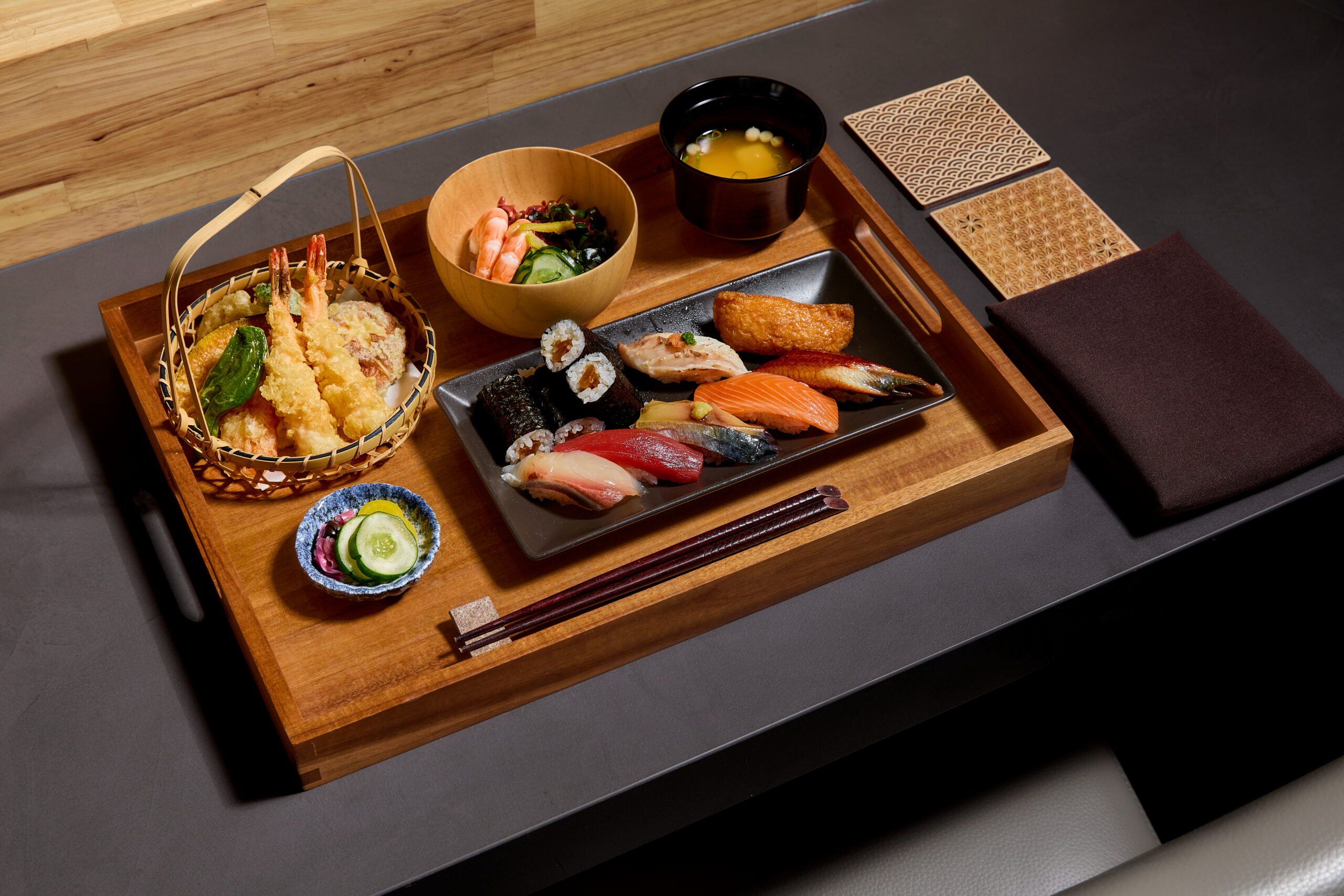
Someone looking for a quick meal might choose a few pieces of nigiri or a sushi roll. A group of friends can order a variety of rolls and share different dishes. Guests who prefer seafood without rice can choose sashimi. For those looking for a more immersive experience, an omakase meal offers the opportunity to let the chef select the menu.

This flexibility makes sushi suitable for a wide range of occasions. Whether you are meeting coworkers for dinner, enjoying a date night, celebrating an important event, or simply looking for a quality meal after work, a sushi restaurant in Silicon Valley can provide an experience that fits the occasion.

The Appeal of Omakase

Omakase has become an increasingly appealing way for diners to experience Japanese sushi. The word “omakase” means entrusting the meal to the chef. Rather than choosing every dish individually, guests allow the chef to select a sequence of dishes based on the ingredients available and the progression they want to create.

For diners who enjoy discovering new foods, this can be especially exciting. An omakase meal may include several types of fish, sashimi, nigiri, seasonal seafood, appetizers, and other preparations. The chef can introduce guests to ingredients they might not normally order themselves.

The experience also highlights the skill involved in sushi preparation. Instead of simply ordering individual items from a menu, guests experience how a sushi chef builds a complete meal, considering flavors, textures, temperature, and progression. For many people, this makes omakase in Silicon Valley more than a meal. It becomes a culinary experience.

Sushi Can Be Casual or Sophisticated

Sushi’s ability to adapt to different occasions is another reason for its lasting popularity. A sushi meal does not always have to be an elaborate event. You can enjoy a casual dinner with friends, order a few favorite pieces, or share different dishes around the table. At the same time, sushi can also provide an elevated dining experience.

A carefully prepared omakase, an intimate sushi counter, or a chef-selected tasting menu can make sushi an ideal choice for birthdays, anniversaries, business dinners, and other special occasions. This range gives diners the freedom to decide what kind of experience they want.

The Craftsmanship Behind Every Piece

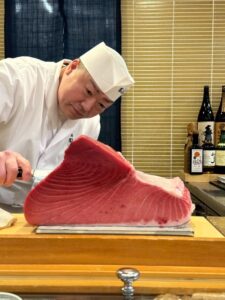
Sushi may look simple, but creating high-quality sushi requires considerable skill. The chef must understand how different fish should be handled, sliced, seasoned, and presented. Sushi rice also requires careful preparation, including attention to texture, temperature, and seasoning. Knife skills are particularly important.

Different types of fish can require different cutting techniques to achieve the right texture and mouthfeel. The chef must also understand how the cut interacts with the rice and other ingredients. These details may not always be obvious to a first-time sushi diner, but they contribute significantly to the overall experience. This attention to craftsmanship is one reason diners continue to appreciate visiting a skilled sushi chef in Silicon Valley rather than simply viewing sushi as another type of takeout food.

Japanese Culinary Tradition Continues to Resonate

While sushi has evolved internationally, its connection to Japanese culinary tradition remains one of its greatest strengths. Japanese cuisine places importance on balance, seasonality, presentation, and respect for ingredients. These principles are especially apparent in sushi.

A well-prepared piece does not necessarily need to be complicated. The goal is often to allow the natural characteristics of the ingredient to shine. This philosophy can appeal to diners who value thoughtful preparation and attention to detail. At the same time, chefs can bring their own experiences and influences to traditional Japanese cuisine, allowing sushi to evolve without losing its connection to its roots.

A Great Choice for Business Dining

Silicon Valley is home to a large professional community, making business dining an important part of the local restaurant culture. Sushi can be particularly well suited to business meals because it offers a variety of dining styles.

A casual sushi restaurant can provide a relaxed setting for a quick lunch or dinner meeting, while a more refined Japanese restaurant can offer an impressive environment for entertaining clients or celebrating a professional milestone.

Omakase can also create a memorable business dining experience because the chef guides the meal, allowing guests to focus on conversation and the overall experience rather than spending too much time deciding what to order.

Sushi Works Well for Social Dining

Sushi is also naturally suited to sharing. A table can order several rolls, sashimi, and nigiri selections, allowing everyone to try different flavors and ingredients. This makes sushi a popular choice for groups of friends and family.

Sharing different dishes can also make the meal more interactive. Guests can compare favorites, discover new ingredients, and decide which dishes they would like to try again. For diners who enjoy exploring menus rather than ordering the same meal every time, sushi provides almost endless possibilities.

The Experience Goes Beyond the Food

Another reason sushi remains popular is the experience surrounding it. At a traditional sushi counter, guests may have the opportunity to watch the chef prepare each piece. The interaction between chef and diner can make the meal feel more personal. For experienced sushi enthusiasts, this interaction is often an important part of the appeal.

Guests can ask questions about the fish, learn about seasonal ingredients, or simply watch the chef’s technique. This creates a connection between the preparation and the finished dish that is not always present in other types of dining.

Sushi Continues to Evolve

Sushi has a long history, but it is not a static cuisine. As Japanese chefs work around the world, they encounter new ingredients, dining cultures, and culinary ideas. These experiences can influence how they approach traditional sushi. Silicon Valley’s international character creates an ideal environment for this continued evolution.

Local diners are often open to trying new cuisines and exploring different interpretations of familiar dishes. Restaurants can respond by offering menus that respect traditional Japanese techniques while incorporating contemporary ideas. The result is a dining scene where classic sushi and modern interpretations can exist side by side.

Why Sushi Remains a Silicon Valley Favorite

Ultimately, sushi’s continued popularity comes down to its ability to offer something for almost everyone. It can be simple or elaborate, traditional or contemporary, casual or luxurious. It can be a quick meal after work, a social dinner with friends, or an unforgettable omakase experience.

Its emphasis on quality ingredients and careful preparation also gives sushi a distinctive appeal for diners who appreciate craftsmanship. In Silicon Valley, where people are constantly discovering new ideas and experiences, sushi provides a familiar yet continually evolving culinary tradition.

Discover Sushi in Mountain View

For those exploring the Silicon Valley dining scene, Mountain View is an excellent place to discover Japanese cuisine and sushi. Sushi Adachi offers guests an opportunity to enjoy carefully prepared sushi while experiencing the traditions and craftsmanship behind Japanese dining. Whether you prefer nigiri and sashimi or want to explore an omakase experience, there is always something new to discover. The enduring appeal of sushi is not simply about raw fish or rice. It is about quality, balance, technique, seasonality, and the relationship between chef and guest.

Ready to experience why sushi remains a favorite throughout Silicon Valley? Visit Sushi Adachi in Mountain View for carefully prepared Japanese sushi, fresh seafood, and a thoughtful dining experience. Whether you’re joining us for a special occasion, or an immersive omakase experience, we invite you to discover the flavors, craftsmanship, and tradition that make sushi such a beloved part of the Bay Area dining scene. Reserve your spot now.
sushi-home-demo

A Guide to Sushi in Mountain View, California

Mountain View, California, is known for its vibrant community, diverse dining scene, and convenient location in the heart of Silicon Valley. With so many restaurants to choose from, local food lovers have plenty of opportunities to explore different cuisines. For those who appreciate Japanese food, sushi in Mountain View offers an especially enjoyable way to discover fresh flavors, traditional techniques, and carefully prepared dishes.

But with different sushi styles, menus, and dining experiences available, where should you begin?

Whether you are searching for a sushi dinner, looking for an elevated Japanese dining experience, or hoping to try omakase for the first time, knowing what to look for can make your experience more enjoyable.

This guide explores what makes sushi dining in Mountain View worth discovering, the different types of sushi you may encounter, how to approach an omakase experience, and how to choose a Japanese restaurant that suits your occasion.

Why Mountain View Is a Great Place for Sushi

Mountain View’s location in Silicon Valley gives it a diverse and internationally influenced food culture. Residents, professionals, families, and visitors can find restaurants representing cuisines from around the world. Japanese cuisine has a particularly strong presence in the Bay Area, and sushi remains a favorite for both longtime enthusiasts and people discovering it for the first time.

A good sushi restaurant offers more than a selection of raw fish. The experience can involve carefully seasoned sushi rice, high-quality seafood, precise knife work, thoughtful presentation, and sauces or garnishes designed to complement each ingredient. For local diners, this means sushi can be as casual or sophisticated as the occasion requires. You might stop in for a few pieces of nigiri after work, enjoy a selection of rolls with friends, or reserve a seat for a more immersive omakase experience in Mountain View.

Understanding the Different Types of Sushi

If you are new to Japanese cuisine, a sushi menu can sometimes feel overwhelming. Understanding a few basic terms can make ordering much easier.

Nigiri consists of a small portion of sushi rice topped with an ingredient, often fish or seafood. Because there are relatively few components, nigiri allows diners to appreciate the natural flavor and texture of the seafood.

Sashimi is sliced raw fish or seafood served without sushi rice. It is a great choice when you want to focus entirely on the quality and texture of the seafood.

Maki refers to rolled sushi, which is typically made with rice and other ingredients wrapped in nori. Rolls can range from relatively simple traditional combinations to more creative preparations.

There are also different styles of sushi and preparation techniques, so don’t be afraid to ask your server or sushi chef if you are unsure about something on the menu. Part of the fun of exploring Japanese food in Mountain View is discovering preparations you may not have tried before.

Try Nigiri to Appreciate the Fish

For many sushi enthusiasts, nigiri is one of the best ways to appreciate the quality of the seafood. Because nigiri is relatively simple, there is little to distract from the main ingredient. The balance between the fish and sushi rice is important, as are the cut, texture, temperature, and seasoning.

Depending on the restaurant and availability, you may also find more specialized or less familiar seafood. If you are visiting a sushi restaurant for the first time, consider ordering a few different types of nigiri rather than choosing only one. Comparing the flavors and textures can help you understand why sushi chefs treat each ingredient differently.

Explore Sashimi for a Simpler Experience

If you prefer to enjoy seafood without rice, sashimi may be the right choice. Sashimi places the fish at the center of the dish. The seafood is sliced carefully and typically served with simple accompaniments that complement rather than overpower its natural flavor.

A well-prepared sashimi selection can highlight differences between fish. Tuna may have a rich, clean flavor, while white fish can offer a more delicate profile. Salmon is known for its richness, and yellowtail often provides a balance between a mild flavor and satisfying texture. For experienced sushi diners, ordering a sashimi selection can also be an opportunity to explore seasonal seafood.

Don’t Overlook Seasonal Fish

One of the most enjoyable aspects of Japanese cuisine is its focus on seasonality. The best sushi experience is not necessarily about ordering the same fish every time. Availability and quality can change throughout the year, and sushi chefs may select different ingredients depending on what is particularly good at a given time.

This is especially important to remember if you are trying omakase in Mountain View. An omakase menu is generally influenced by what the chef considers to be the best ingredients available. This can mean that two visits to the same restaurant may offer different selections.

Rather than expecting an identical menu every time, approach seasonal sushi with curiosity. You may discover a new favorite simply because you allowed the chef to introduce you to something unexpected.

Consider Omakase for a Special Occasion

For a more immersive sushi experience, consider trying omakase. Omakase means entrusting the meal to the chef. Instead of selecting every dish yourself, you allow the chef to determine the progression based on the available ingredients and their approach to the meal.

An omakase experience may include multiple courses featuring nigiri, sashimi, appetizers, cooked dishes, and other seasonal specialties. One of the biggest advantages of omakase is the variety. Rather than ordering several familiar items, you can experience a progression of different flavors and textures.

The chef may begin with lighter preparations before moving toward richer ingredients, creating a balanced experience from beginning to end. For a birthday, anniversary, date night, business dinner, or simply an evening when you want to try something different, an omakase dinner can make the occasion feel particularly memorable.

What Makes a Great Sushi Restaurant?

With different options available, how do you choose where to enjoy sushi in Mountain View?

Start with the quality of the overall dining experience. A good sushi restaurant should demonstrate attention to detail. This includes the quality and handling of seafood, the preparation of sushi rice, cleanliness, presentation, and the knowledge of the sushi team.

The menu should also offer esuch as omakase. This gives you an opportunity to experience the chef’s approach rather than simply choosing individual dishes.

Atmosphere also matters. A relaxed restaurant can be ideal for a casual dinner with friends, while an intimnough variety to suit different preferences while maintaining a clear focus on Japanese culinary traditions. For a more elevated experience, consider restaurants that offer chef-selected options ate sushi counter may be better suited to a special occasion or a meal focused on interacting with the chef. Ultimately, the best sushi restaurant in Mountain View is one that matches the kind of experience you want.

Ask the Sushi Chef for Recommendations

If you are not sure what to order, asking for recommendations can be one of the best ways to make your meal more enjoyable. Tell the chef or server what you typically enjoy. If you prefer mild fish, richer flavors, cooked seafood, or a particular type of sushi, they can often help you find suitable options.

If you are feeling adventurous, let them know that you are interested in trying something new. This is particularly helpful when ordering seasonal fish. You may see an ingredient on the menu that you have never tried before, and the sushi team can explain what it tastes like and how it is prepared. A conversation with the sushi chef can turn an ordinary dinner into a more engaging culinary experience.

How to Approach Your First Omakase

If you have never tried omakase before, there is no need to feel intimidated. Start by letting the restaurant know if you have any food allergies or dietary restrictions. Beyond that, come prepared to trust the chef. You do not need to know the Japanese name for every type of fish. In fact, discovering unfamiliar ingredients is part of the appeal.

Pay attention to the progression of the meal. Notice how the flavors change from one course to the next, how different fish vary in texture, and how the chef uses seasoning and preparation to highlight each ingredient. You can also ask questions. Most sushi chefs are happy to explain what they are serving and why a particular ingredient was selected.

The goal is not to know everything before you arrive. The goal is to enjoy the experience and discover something new.

Sushi Is More Than Just Raw Fish

One common misconception about sushi is that it is simply raw fish and rice. In reality, Japanese sushi involves considerable technique and attention to detail. The rice is an essential part of nigiri and rolls. Its seasoning, temperature, texture, and consistency all affect the finished piece.

Fish also requires careful preparation. Different ingredients may call for different cuts, handling methods, or seasoning. Some seafood may be served raw, while other ingredients can be seared, cooked, cured, or otherwise prepared.

This variety is part of what makes Japanese cuisine so interesting. A thoughtful sushi menu can introduce guests to a wide range of textures and flavors while maintaining a sense of balance throughout the meal.

Pair Your Sushi With the Right Accompaniments

A sushi meal can also be enhanced by thoughtful accompaniments. Soy sauce and wasabi are traditional options, but it is worth remembering that not every piece of sushi needs additional seasoning. Some nigiri may already be seasoned or prepared with a sauce chosen by the chef.

If you are dining at a sushi counter, you can ask whether a particular piece should be dipped in soy sauce or enjoyed as served. Japanese beverages can also complement sushi. Depending on the restaurant, you may find sake, Japanese beer, tea, or other beverage options that pair naturally with different dishes.

The key is balance. Accompaniments should enhance the sushi rather than overwhelm the flavors of the seafood.

Make Sushi Part of Your Mountain View Dining Experience

Whether you live in Mountain View or are visiting the area, exploring the local sushi scene can be an enjoyable way to experience Japanese cuisine. Start with familiar favorites if you prefer. Try salmon, tuna, or yellowtail nigiri. Order sashimi if you want to focus on the seafood itself. Explore different rolls when dining with friends. And when you are ready to take your experience further, consider an omakase meal and let the chef guide you through a carefully selected progression.

The beauty of sushi is that there is always something else to discover. A new seasonal fish, an unfamiliar preparation, or a chef’s interpretation of a classic dish can give you a reason to return.

Discover Sushi Adachi in Mountain View

For those searching for a memorable sushi experience in Mountain View, California, Sushi Adachi offers an authentic Japanese dining experience centered on carefully sourced seafood, traditional Edomae craftsmanship, and an intimate omakase experience. Guests can discover the artistry of nigiri and sashimi while enjoying a chef-curated journey that highlights seasonal ingredients and exceptional Japanese hospitality. 

A local’s approach to sushi is simple: start with what you know, be willing to try something new, and let the quality of the ingredients and the chef’s expertise guide the experience. Ready to explore sushi in Mountain View? Visit Sushi Adachi and discover carefully prepared Japanese sushi, fresh seafood, and a thoughtfully crafted dining experience. Whether you are celebrating a special occasion, enjoying an omakase experience, or discovering authentic Japanese cuisine for the first time, our team looks forward to welcoming you and sharing the art and tradition of Japanese cuisine.  Reserve a seat now.

Chef Adachi image

What Fish Is Commonly Served During Omakase?

Omakase is one of the most distinctive ways to experience Japanese sushi. Rather than choosing every dish from a menu, guests place their trust in the chef, allowing them to select and serve a sequence of dishes based on the ingredients, season, and style of the restaurant.

For many first-time guests, one question naturally comes to mind: What fish is commonly served during omakase?

The answer can vary considerably. There is no single fixed list of fish that must appear in an omakase experience. A skilled sushi chef may select different seafood depending on availability, seasonality, quality, and the progression of the meal. Some restaurants may feature familiar favorites such as tuna and salmon, while others may introduce guests to less familiar varieties of Japanese fish and seasonal seafood.

Understanding some of the fish commonly found in omakase can make the experience even more enjoyable. Whether you are planning your first omakase in Mountain View or already enjoy Japanese sushi, knowing what to expect can help you appreciate the craftsmanship behind every piece.

What Does Omakase Mean?

The Japanese word omakase roughly translates to “I leave it up to you.” In a sushi restaurant, this means the guest allows the chef to determine the meal rather than selecting every course individually.

An omakase experience can include several different preparations, including sashimi, nigiri, appetizers, cooked dishes, and other seasonal specialties. At a sushi-focused restaurant, however, nigiri and sashimi are often central to the experience.

The chef considers several factors when creating the progression. These can include the season, the freshest available seafood, the characteristics of each ingredient, and how one piece will follow another. This is why an omakase menu can change from one visit to the next.

The fish served during an omakase is not necessarily chosen simply because it is popular. Instead, the chef may select seafood that is particularly fresh, flavorful, or well suited to the experience they want to create.

Tuna

Tuna is one of the most recognizable fish associated with sushi and is a common choice in many omakase experiences. Different parts of the tuna can offer dramatically different textures and flavors. Akami, the lean red meat from the tuna, has a clean, rich flavor and is often appreciated for its balance. More fatty cuts, such as chutoro and otoro, are prized for their softer texture and richer mouthfeel.

A chef may serve different cuts of tuna during an omakase to demonstrate these contrasts. This makes tuna particularly interesting in a chef-led sushi experience. Rather than simply tasting “tuna,” guests may have the opportunity to appreciate how different cuts of the same fish can create very different experiences. When high-quality tuna is available, it can be one of the highlights of an omakase meal.

Yellowtail

Yellowtail, often referred to as hamachi, is another popular fish found in sushi restaurants. Known for its delicate flavor and pleasing texture, hamachi is a favorite among many sushi enthusiasts. It can have a slightly richer character than some leaner white fish while remaining relatively mild and approachable.

Another related fish, kanpachi, may also appear in sushi and omakase menus. Although hamachi and kanpachi are often discussed together, they are distinct fish and can offer different characteristics. When selected for an omakase, yellowtail can add a balance of flavor and texture to the meal.

Sea Bream

Tai, or Japanese sea bream, is a traditional and respected ingredient in Japanese cuisine. Sea bream is often appreciated for its delicate flavor and firm texture. It can be served as sashimi or nigiri, allowing the natural characteristics of the fish to remain prominent.

Tai can be particularly interesting in an omakase because it demonstrates the appeal of subtle flavors. Not every memorable piece of sushi needs to be intensely rich or fatty. Some fish are appreciated for their clean taste, texture, and delicate finish. A carefully selected piece of sea bream can provide contrast to richer fish served elsewhere in the meal.

Mackerel

Mackerel, including varieties such as saba, is another fish that may appear during an omakase. Mackerel has a stronger flavor and higher fat content than many delicate white fish. Because of its distinctive characteristics, it requires thoughtful handling and preparation. In traditional Japanese sushi, saba is often prepared with techniques such as curing, which can help balance its richness while enhancing its flavor.

For diners who are accustomed to mild fish such as tuna or salmon, mackerel can provide an opportunity to explore a more pronounced side of Japanese sushi. It is a good example of why an omakase experience can be so rewarding. The chef has the opportunity to introduce guests to fish they might not otherwise choose for themselves.

Flounder

Hirame, or Japanese flounder, is another fish that may appear in an omakase setting. Flounder is known for its delicate flavor and relatively firm texture. It can be particularly appealing to guests who enjoy lighter sushi and want to experience the natural taste of the seafood.

Like other white fish, Hirame can be served with minimal additions so that its texture and flavor remain the focus. In some preparations, the chef may use a small amount of seasoning or garnish to complement the fish without overpowering it.

Sea Urchin

Although sea urchin, or uni, is technically not a fish, it is an important part of many high-end sushi and omakase experiences. Uni is prized for its creamy texture and distinctive ocean flavor, with Hokkaido uni being particularly valued for its delicate richness and quality. Its character can vary depending on its origin, season, and freshness, making Japanese sourcing an important part of the experience.

In an omakase progression, a chef may feature uni when it is at its best, allowing its rich, naturally sweet flavor to become one of the more memorable moments of the meal. The availability and characteristics of uni can also change throughout the year, which is one reason seasonal sourcing plays such an important role in traditional Japanese sushi.

Other White Fish

White fish are often important components of an omakase progression because they provide a lighter contrast to richer seafood. Snapper and other varieties of Japanese white fish may be served as nigiri or sashimi. Their flavors are often more delicate, with textures that can range from tender to pleasantly firm.

A sushi chef may choose white fish early in the meal, depending on the restaurant’s style and the progression they have planned. These fish can encourage guests to focus on subtle differences in texture, seasoning, and preparation rather than relying solely on richness.

Scallops and Other Seafood

Omakase is not limited to fish. Depending on the restaurant and the chef, an omakase menu may include other seafood such as scallops, shrimp, crab, squid, or octopus. These ingredients can add variety in both flavor and texture.

Scallops, for example, offer a naturally sweet flavor and tender texture. Squid can have a firmer, chewier texture and may be prepared in ways that enhance its natural sweetness.

The inclusion of different seafood helps prevent the meal from becoming repetitive. Each course can provide a different sensory experience. This variety is one of the defining pleasures of chef-selected dining.

How Seasonality Influences Omakase Fish

One of the most important things to understand about omakase is that the menu can change with the seasons. Japanese cuisine places significant emphasis on seasonal ingredients, and sushi is no exception. Certain fish and seafood may be at their best during particular times of the year.

A chef may therefore choose a particular fish because it is especially flavorful or available at its peak. This seasonal approach is one reason guests may have different omakase experiences at the same restaurant throughout the year.

Instead of expecting exactly the same fish every time, diners can approach omakase with curiosity and allow the chef to determine what is best for that particular meal.

How the Chef Creates a Balanced Omakase

Choosing excellent fish is only one part of creating a successful omakase. The order in which the sushi is served also matters. A chef may begin with lighter, more delicate flavors before gradually introducing richer and more intensely flavored ingredients.

Texture is another consideration. A sequence might move between soft, firm, delicate, and rich textures to create variety throughout the meal. Seasonings, sauces, garnishes, and the temperature of the sushi rice can also contribute to the overall progression.

This is what makes omakase different from simply ordering individual pieces of sushi from a menu. The chef is creating a complete dining experience rather than presenting unrelated dishes.

Why Fish Quality Matters in Omakase

When the chef is choosing the menu, the quality of the ingredients becomes particularly important. Sushi is relatively simple compared with many other cuisines. There are often only a few components on the plate, which means the quality and preparation of each ingredient can have a significant impact. Freshness, texture, flavor, sourcing, and preparation all contribute to the final experience.

An experienced sushi chef understands how to work with each type of fish and determines the best way to present it. Some fish may benefit from a particular cut or seasoning, while others may be best served with minimal intervention. The goal is not necessarily to make every ingredient taste the same. Instead, the chef aims to highlight what makes each one special.

What Should You Expect During Your First Omakase?

If you have never experienced omakase before, it is perfectly normal not to recognize every fish or seafood item you are served. One of the pleasures of omakase is discovering something unfamiliar. If you have allergies, dietary restrictions, or ingredients you cannot eat, it is important to tell the restaurant ahead of time. Otherwise, consider approaching the experience with an open mind.

You can also ask the chef or sushi team about the fish being served. Learning the name, origin, preparation, and characteristics of an ingredient can make the experience more engaging. Instead of focusing on whether a particular fish is one you would normally order, pay attention to its texture, flavor, temperature, and how it compares with the pieces served before and after it. That is where much of the enjoyment of omakase comes from.

Experience the Variety of Omakase at Sushi Adachi

The fish served during omakase can range from familiar favorites such as tuna, salmon, and yellowtail to delicate white fish, mackerel, seasonal seafood, and other carefully selected ingredients. There is no universal omakase menu. The experience depends on the chef, the restaurant, the season, and the seafood available at the time.

That element of discovery is part of what makes omakase in Silicon Valley such an appealing dining experience. Rather than deciding exactly what you want before you sit down, you allow the chef to guide you through a carefully considered progression of Japanese sushi. At Sushi Adachi, guests can experience the craftsmanship, balance, and attention to detail that make omakase such a special part of Japanese dining.

Ready to discover the art of chef-selected sushi? Visit Sushi Adachi in Mountain View and experience an omakase meal designed to showcase carefully selected seafood, thoughtful preparation, and the traditions of Japanese sushi. Whether you are enjoying omakase for the first time or are already a sushi enthusiast, let our chefs guide you through a memorable dining experience where every course offers something new to discover. Book your table now.

Meet Chef Kazumori ‘Kazu’: A Look Back at His Sushi Adachi Residency

Japanese cuisine is deeply rooted in tradition, precision, seasonality, and respect for quality ingredients. At the same time, sushi continues to evolve as chefs bring their own experiences, techniques, and culinary influences to the craft.

Guests looking for sushi in Mountain View had a special opportunity to experience an exciting evolution at Sushi Adachi. The restaurant has welcomed guest chef Kazumori, known affectionately as ‘Kazu,’ for a limited residency that brought inspiration from Hong Kong’s vibrant sushi scene to Mountain View.

Originally from Kyushu, Japan, Chef Kazu later moved to Hong Kong and is currently a sushi chef at Sushi Nakamura-ya in Tin Hau, Hong Kong. During his time at Sushi Adachi, he presented a special menu featuring some of Hong Kong’s popular sushi selections, along with a unique Salmon tasting experience.

For guests who appreciated authentic Japanese cuisine, premium sushi, and chef-driven dining experiences, this limited-time residency offered a wonderful opportunity to discover something new while meeting the chef behind the menu.

From Kyushu to Hong Kong: Chef Kazu’s Culinary Journey

Chef Kazu’s story begins in Kyushu, Japan, an area known for its distinctive culinary traditions and deep appreciation for fresh, high-quality ingredients. Growing up and beginning his culinary journey in Japan gave Chef Kazu a strong foundation in the traditions of Japanese cuisine. Sushi requires patience, discipline, and attention to detail, and those qualities remain central to the craft wherever it is practiced. His journey eventually took him beyond Japan to Hong Kong, where he continued developing his career as a sushi chef.

Hong Kong offered Chef Kazu a new culinary environment and an opportunity to experience Japanese cuisine through the perspective of a city known for its diverse and energetic dining culture. Today, he works at Sushi Nakamura-ya in Tin Hau, where he continues to refine his approach to sushi. His experience across these two cultures is an important part of what makes his upcoming residency at Sushi Adachi so special.

A Taste of Hong Kong Came to Mountain View

Hong Kong has developed a strong appreciation for Japanese sushi, with sushi restaurants offering everything from traditional preparations to contemporary chef-driven experiences. Working in Hong Kong has allowed Chef Kazu to become familiar with the flavors, ingredients, preparations, and dining preferences that have become popular within the city’s sushi scene.

During his residency, he brought some of that inspiration to Sushi Adachi.

During his recent residency, guests had the opportunity to explore a special menu featuring some of Hong Kong’s most popular sushi items. The menu provided a chance to experience Japanese cuisine from a slightly different perspective while still honoring the precision and craftsmanship associated with sushi.

For guests who enjoyed Japanese restaurants in Mountain View, the residency provided a chance to explore sushi through the perspective of a chef shaped by both Japanese and Hong Kong culinary experiences. 

A Special One-Month Sushi Residency

Chef Kazu’s time at Sushi Adachi was intentionally limited to one month. That made this more than simply a new addition to the menu. It was a temporary culinary experience created around the presence of a visiting chef and his individual perspective. Guest chef residencies were particularly exciting because they allowed diners to experience a chef’s personal background and influences in a different setting. Rather than traveling to Hong Kong to explore its sushi scene, guests in Mountain View experienced a taste of that culinary world through Chef Kazu’s special menu.

The limited nature of the residency also meant there was a defined opportunity to experience it. Once Chef Kazu’s month at Sushi Adachi came to an end, the special menu was no longer part of the residency. For sushi lovers who enjoyed discovering limited-time experiences, it was an excellent reason to make a visit during his stay.

The Special Menu Offered

At the heart of Chef Kazu’s residency was a special menu inspired by his experience in Hong Kong. The menu featured sushi selections that had become popular in Hong Kong, allowing guests to explore dishes through the lens of a chef who spent his career working between Japanese tradition and Hong Kong’s modern dining culture.

Sushi is a cuisine where subtle details can make a meaningful difference. The quality of the seafood, the preparation of each ingredient, the seasoning of the rice, the balance of textures, and the presentation all contributed to the final experience. A chef’s background influenced how those details came together.

During his residency, Chef Kazu offered diners the chance to appreciate those nuances while enjoying a menu created specifically for his time at Sushi Adachi. For experienced sushi enthusiasts and those exploring Japanese cuisine alike, the special menu provided an opportunity to try something new.

The Salmon Tasting Experience

One of the most distinctive elements of Chef Kazu’s residency was the Salmon tasting experience. Salmon is one of the most recognizable and widely enjoyed ingredients in sushi, but a dedicated tasting offered a different appreciation for it. When a single ingredient became the focus of an experience, diners could pay closer attention to its flavor, texture, preparation, and presentation.

Chef Kazu’s Salmon Tasting was designed as a special part of his limited-time menu, making it one of the experiences guests enjoyed during his residency. For those who already loved salmon sushi, it was an opportunity to enjoy a familiar favorite in a more curated setting. For guests curious about the versatility of sushi, it provided a chance to explore how one ingredient could become the centerpiece of a thoughtfully prepared tasting. It also reflected the chef-focused approach that made sushi such a memorable dining experience.

Where Japanese Tradition Met International Inspiration 

Japanese sushi has a strong connection to tradition, but it was also a cuisine that had traveled remarkably well. As sushi became popular around the world, chefs brought their own experiences and local influences to the craft. Hong Kong was one example of a city where Japanese cuisine developed a strong following while becoming part of a broader international dining culture.

Chef Kazu’s career reflected that movement. His Japanese background provided the foundation for his work, while his professional experience in Hong Kong introduced him to another dynamic interpretation of sushi. His residency at Sushi Adachi brought those influences together.

For diners, this created an experience that felt both familiar and new. The foundation was Japanese, but the inspiration was informed by Chef Kazu’s time in Hong Kong. That balance between tradition and inspiration was one of the reasons this residency was particularly exciting for anyone interested in Japanese cuisine.

Why Sushi Lovers Made Time for the Residency Chef

There were plenty of reasons to visit Sushi Adachi while Chef Kazu was in Mountain View. First, the residency was available for one month only, giving guests a limited opportunity to experience his menu.

Second, the special menu introduced selections inspired by Hong Kong’s popular sushi scene, offering something different from a typical sushi outing.

Third, the Salmon Tasting provided a unique experience for guests who wanted to explore one of sushi’s most beloved ingredients in a more focused way.

And finally, guests had the opportunity to meet Chef Kazu and experience the food through the perspective of a chef whose journey spanned Japan and Hong Kong.

For a special occasion, a memorable dinner, or simply an evening spent exploring exceptional Japanese cuisine, his residency offered an experience worth discovering.

Experience the Variety of Japanese Food at Sushi Adachi

Book your table Sushi Adachi and discover a menu shaped by the diverse influences of its visiting chefs. Whether you are a longtime sushi enthusiast or simply looking for a memorable Japanese dining experience in Mountain View, Sushi Adachi offers a unique opportunity to enjoy thoughtfully crafted sushi inspired by global culinary perspectives. We look forward to welcoming you to Sushi Adachi. 

The Rise of Omakase Dining in Silicon Valley

What Is Omakase Dining?

Omakase is a Japanese dining tradition built around trust between the guest and the chef. The word is commonly translated as “I leave it up to you,” reflecting the idea that guests allow the chef to select and prepare the dishes.

Unlike ordering individual items from a traditional menu, an omakase experience typically follows a carefully considered progression. The chef chooses ingredients based on quality, seasonality, availability, and the flow of the meal.

For diners, this creates an opportunity to experience sushi in a more personal and immersive way. Instead of simply choosing what looks familiar, guests can discover ingredients and preparations they may not have selected on their own.

Why Omakase Is Growing in Silicon Valley

Silicon Valley has long been associated with innovation, technology, and a diverse international community. Its dining culture reflects that same curiosity, with guests increasingly interested in experiences that offer authenticity, craftsmanship, and something beyond an ordinary meal.

Omakase fits naturally into this environment. It combines precision with creativity while giving diners the opportunity to explore traditional Japanese cuisine through the perspective of an experienced chef.

For busy professionals and food enthusiasts alike, an omakase meal can also provide a welcome change from fast and highly customizable dining. The focus shifts toward slowing down, paying attention, and appreciating each course as it arrives.

Omakase Offers More Than Just Sushi

While sushi is often at the center of an omakase experience, the concept involves much more than simply serving a selection of nigiri. A well planned omakase meal can create a progression of flavors, textures, temperatures, and preparations. The chef may introduce guests to seasonal seafood, carefully prepared appetizers, sashimi, nigiri, and other Japanese specialties.

Each course has a purpose. Earlier dishes may prepare the palate for richer flavors later in the meal, while the progression can gradually introduce different types of seafood and preparation techniques. This makes every visit an opportunity to experience something different.

The Importance of Seasonality

Seasonality is one of the defining elements of Japanese cuisine. Ingredients are selected not only because they are available, but because they can offer exceptional flavor and quality at a particular time of year.

In omakase dining, this seasonal approach gives chefs the freedom to adjust the menu according to what is at its best. For guests, it means that an omakase meal is not necessarily the same every time. Returning to the same restaurant can reveal different seafood, flavors, and preparations depending on the season and the ingredients available to the chef.

The Chef Becomes Part of the Experience

One of the biggest differences between omakase and conventional restaurant dining is the relationship between chef and guest. Rather than simply preparing dishes from a fixed menu, the chef guides the experience. Decisions about ingredients, preparation, timing, and presentation are part of the meal.

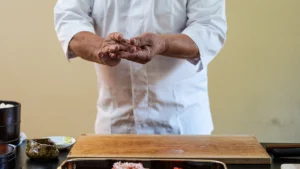
At an intimate sushi counter, guests can often observe the chef working closely with each ingredient. Watching seafood being sliced and nigiri being prepared adds another dimension to the dining experience. This interaction can make omakase feel more personal than a typical restaurant meal.

Authenticity and Modern Dining

The growing popularity of omakase in Silicon Valley does not necessarily mean abandoning tradition for modern tastes. In many cases, it reflects a desire to experience authentic culinary traditions in a contemporary setting.

Traditional techniques can remain at the center of the experience while chefs bring their own knowledge, personality, and perspective to the menu. This balance between tradition and individuality is part of what makes omakase appealing to a diverse audience. Guests can experience the principles of Japanese sushi while enjoying an intimate dining format that feels distinctive and current.

Why Ingredients Matter in Omakase

When a chef controls the menu, ingredient quality becomes particularly important. Each piece needs to contribute to the progression of the meal. Seafood sourcing is therefore a major part of the omakase experience. The origin, quality, seasonality, and handling of the fish can influence everything from texture to flavor. At a restaurant committed to traditional Japanese sushi, sourcing can also connect the dining experience to the culinary culture of Japan.

Discover Omakase at Sushi Adachi

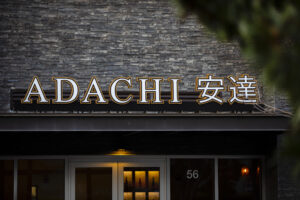
Located in Mountain View, Sushi Adachi offers an intimate omakase experience rooted in Japanese tradition and the Edomae philosophy of sushi. Chef Adachi personally sources seafood from Toyosu Market in Tokyo, bringing carefully selected ingredients to the restaurant.

Michelin awarded Executive Chef Masa Sasaki also brings his culinary expertise to the experience, helping create a thoughtful approach to Japanese dining that emphasizes quality, technique, and attention to detail.

For diners exploring the best omakase in Mountain View, Sushi Adachi offers an opportunity to step away from the ordinary and experience sushi through the chef’s perspective. From carefully selected seafood to precise preparation and an intimate setting, every element is designed to make the meal memorable. 

Visit Sushi Adachi to discover the omakase experience and book your Japanese dining experience in Mountain View.

sushi adachi homepage

Why Fresh Fish Makes All the Difference in Sushi

When it comes to exceptional sushi, the quality of the fish can make all the difference. Sushi is intentionally simple, which means there are very few ingredients to distract from the seafood itself. When the fish is carefully sourced, properly handled, and expertly prepared, its natural flavor and texture can become the centerpiece of the entire dining experience.

For first time guests, it may be easy to think that all sushi tastes relatively similar. But once you begin paying attention to the seafood, you can discover subtle differences in flavor, texture, aroma, and finish. Fresh, high quality fish allows these characteristics to come through naturally.

Fresh Fish Brings Out Natural Flavor

One of the most noticeable differences quality seafood can make is flavor. Properly handled fish should have a clean, delicate taste that reflects its natural characteristics. Depending on the variety, you might notice sweetness, richness, umami, or a subtle oceanic flavor. These qualities are particularly important in nigiri and sashimi, where the seafood is served with minimal ingredients.

Instead of relying on heavy sauces or seasonings, traditional sushi often allows the fish to speak for itself. This makes the quality of the seafood an essential part of the experience.

Texture Is Just as Important as Flavor

Great sushi is not only about how the fish tastes. Texture plays an equally important role. Different varieties of seafood have distinctive textures. Some are firm and delicate, while others are soft, buttery, or pleasantly chewy. Proper storage and handling help preserve the characteristics that make each type of fish unique.

The chef’s knife technique also matters. The thickness, direction, and style of each cut can influence how the seafood feels when you take a bite. Expert preparation ensures that the fish has the right texture and works naturally with the sushi rice.

Freshness Starts With Sourcing

The quality of sushi begins long before the fish reaches the restaurant. Sourcing plays a major role in determining what ultimately appears on the plate. For a serious sushi restaurant, selecting seafood is not simply about finding ingredients that meet basic standards. It involves understanding the origin, seasonality, quality, and characteristics of different varieties of fish. Access to respected seafood markets can give chefs the opportunity to select exceptional ingredients and create a menu that reflects the quality of the seafood available.

Toyosu Market and the Tradition of Japanese Seafood

Toyosu Market in Tokyo is one of the world’s most recognized seafood markets and plays an important role in Japan’s culinary culture. It is known for its extensive selection of seafood and its connection to the traditions surrounding Japanese sushi.

For chefs committed to authentic sushi, sourcing seafood from Tokyo can provide access to ingredients that support a traditional Japanese dining experience. At Sushi Adachi, Chef Adachi personally sources seafood from Toyosu Market. This connection to one of Japan’s most important seafood markets reflects the restaurant’s commitment to ingredient quality and traditional sushi craftsmanship.

Fresh Fish Does Not Always Mean Newly Caught

There is an important distinction between freshness and simply being recently caught. Different types of fish can require different approaches to handling and preparation. In some cases, carefully controlled aging can help develop flavor and improve texture. Experienced sushi chefs understand these differences and know that the goal is not necessarily to serve every fish immediately.

Instead, the goal is to present each ingredient when it offers the best combination of flavor, texture, and overall quality. This understanding is an important part of traditional sushi preparation. The chef’s knowledge helps determine how an ingredient should be stored, prepared, sliced, seasoned, and served.

The Role of the Sushi Chef

Even the finest seafood requires careful preparation. A skilled sushi chef understands how to bring out the best qualities of each ingredient. Temperature, knife technique, portion size, seasoning, and timing all influence the final bite. The chef also considers how the seafood will interact with the sushi rice and other elements of the dish. This is particularly important with nigiri. With only rice and fish forming the foundation of the piece, every detail becomes noticeable.

Fresh Fish and Sushi Rice Work Together

Although seafood receives most of the attention, excellent sushi requires harmony between the fish and the rice. Sushi rice has its own texture, temperature, seasoning, and subtle flavor. When prepared correctly, it complements rather than competes with the seafood.

The ideal piece of nigiri creates balance. The rice provides structure and seasoning while the fish contributes its natural flavor and texture. When these elements are carefully matched, the result can feel remarkably simple yet sophisticated.

Why Freshness Matters More in Sushi

Freshness is particularly important in sushi because seafood is often served raw or with very minimal cooking. There is no heavy cooking process or rich sauce to transform the ingredient. This means the quality of the fish remains highly visible and noticeable.

Color, aroma, texture, flavor, and overall presentation all contribute to the experience. Proper sourcing and handling help ensure that the seafood reaches the guest in the best possible condition. For this reason, a restaurant’s approach to seafood sourcing can tell you a great deal about its overall philosophy.

Experience the Difference at Sushi Adachi

At Sushi Adachi, the quality of the seafood is central to the dining experience. Located in Mountain View, the restaurant combines carefully selected ingredients with traditional Edomae sushi techniques and thoughtful preparation.

Chef Adachi personally sources seafood from Toyosu Market in Tokyo, while Michelin awarded Executive Chef Masa Sasaki brings his culinary expertise to the restaurant’s intimate sushi experience. Together, these elements create an approach that places exceptional ingredients and craftsmanship at the heart of every dish.

Whether you are discovering nigiri for the first time or looking for the best sushi or omakase dining in Mountain View, Sushi Adachi invites you to experience how carefully sourced seafood, skilled preparation, and Japanese tradition can transform a simple piece of sushi into something memorable. Plan your next dining experience and book now.

The Most Popular Sushi and Nigiri for First Time Guests

Understanding nigiri and omakase can make your first experience more comfortable. Nigiri offers a direct way to appreciate the relationship between seafood and seasoned rice, while omakase allows the chef to guide you through a thoughtful progression of seasonal dishes. Read through to understand options when dining at Sushi Adachi.

What Is Nigiri?

Nigiri consists of a small portion of seasoned sushi rice topped with seafood. Although the presentation looks simple, each piece reflects careful decisions about temperature, texture, seasoning, knife work, and balance.

Some seafood may be served raw, while other selections may be cured, marinated, seared, or cooked. The chef may also add a small amount of wasabi, soy sauce, citrus, or another seasoning, so the piece is generally intended to be enjoyed as presented.

Because nigiri contains few components, it allows the character of each ingredient to remain at the center of the experience.

Popular Nigiri for First-Time Guests

The exact selection at an omakase restaurant changes with the season and the quality of the ingredients available. However, several styles of nigiri can offer an approachable introduction for first-time guests.

Bluefin Tuna Nigiri

Bluefin tuna is a classic place to begin. Lean bluefin tuna, often called akami, has a clean flavor and firm, tender texture. It may also be marinated to deepen its savory character while maintaining a balanced taste.

Richer cuts such as chutoro or otoro contain more marbling and have a softer, more buttery texture. Tasting different cuts of tuna can show how much flavor and texture can vary within a single fish.

Seasonal Silver-Skinned Fish

Silver-skinned fish, sometimes grouped under the Japanese term aomono, are an important part of traditional sushi. Depending on the season, the chef may serve selections such as mackerel or another regional fish.

These fish often have a more distinctive flavor than tuna. Careful curing and seasoning help create a balanced bite, making them a rewarding next step for guests who want to explore beyond the mildest options.

Yellowtail

Yellowtail is known for its smooth texture and clean, gently rich flavor. Depending on the chef’s selection and the evening’s menu, it may appear as nigiri or in a temaki hand roll.

Temaki is made by wrapping rice and seafood in crisp nori. It is typically eaten soon after it is served so guests can enjoy the contrast between the delicate filling and the texture of the seaweed.

Cooked or Seared Selections

Not every sushi course is completely raw. An omakase progression may include seafood that has been cooked, simmered, cured, or lightly seared. These preparations can be approachable for guests who are still becoming comfortable with raw fish while also demonstrating the range of traditional Japanese techniques.

Because the menu is seasonal, guests with food allergies, dietary restrictions, or concerns about raw seafood should contact the restaurant before their reservation.

What Is Omakase?

Omakase means “I leave it up to you.” Instead of choosing every item yourself, you trust the chef to create a progression based on the best ingredients available that day.

At Sushi Adachi, the experience extends beyond nigiri. A menu may also include small dishes, soup, seasonal preparations, a temaki hand roll, and dessert. The specific courses can change as the chefs respond to the season and the seafood selected for service.

For a first-time guest, this a great option as you can focus on each course as it arrives and learn how the chef builds contrast through flavor, temperature, richness, and texture.

How to Enjoy Nigiri for the First Time

You do not need to memorize Japanese terms or follow complicated rules. A few simple suggestions can help you feel at ease:

– Eat each piece soon after it is served, when the temperature and texture are as the chef intended.

– Enjoy the nigiri as presented before adding soy sauce or other seasoning.

– Let the staff know in advance about allergies or dietary restrictions.

– Ask questions when appropriate; learning about an ingredient can add to the experience.

– Approach unfamiliar courses with curiosity, but communicate any genuine concerns before dining.

Omakase is designed as a progression, so each bite has a place within the larger meal. Slowing down and noticing the rice, seafood, seasoning, and texture can make the experience more rewarding.

 Enjoy Sushi at Your Own Pace

Discovering sushi is a personal experience. You may immediately enjoy the clean flavor of lean tuna, prefer the richness of a more marbled cut, or find that a carefully cooked or cured preparation is your favorite course.

There is no need to arrive with extensive knowledge. One of the pleasures of omakase is allowing a skilled chef to introduce ingredients in a deliberate order, giving you the opportunity to appreciate both familiar and unexpected flavors.

Discover Exceptional Sushi at Sushi Adachi

For guests looking to explore authentic Japanese sushi in Mountain View, Sushi Adachi offers an intimate dining experience centered around quality ingredients and traditional craftsmanship. Chef Adachi personally sources seafood from Toyosu Market in Tokyo, while Michelin awarded Executive Chef Masa Sasaki brings extensive culinary expertise to the experience.

Whether you are enjoying sushi, discovering nigiri for the first time, or looking to experience a refined omakase meal, Sushi Adachi provides an opportunity to explore Japanese sushi with carefully selected seafood and an authentic Edomae philosophy. Reserve your table at Sushi Adachi to explore the dining experience.

How Freshness Impacts Your Sushi Experience

When you sit down for a sushi meal, freshness is one of the first things that can shape your entire experience. From the delicate texture of sashimi to the clean flavor of nigiri, high quality ingredients allow the natural character of each piece to come through. In traditional sushi, where ingredients are often served with minimal sauces and toppings, there is very little to hide behind. The quality of the seafood, rice, and preparation matters from the very first bite.

But freshness is about more than simply serving fish that was caught recently. For a skilled sushi chef, freshness also involves sourcing, temperature control, handling, preparation, and understanding when an ingredient is at its best. Some fish are most enjoyable when served exceptionally fresh, while others benefit from careful aging or preparation that develops their flavor and texture. 

Freshness Brings Out Natural Flavor

One of the biggest differences freshness makes is flavor. High quality seafood should have a clean, delicate taste that allows you to appreciate the natural characteristics of the fish. Instead of an overpowering fishy smell or taste, properly handled seafood can offer subtle sweetness, umami, richness, or a clean oceanic character.

This is especially important in sushi because traditional preparations are intentionally simple. A piece of nigiri may contain little more than expertly prepared rice, carefully sliced fish, and a small amount of seasoning. When the ingredients are exceptional, the simplicity of the dish becomes part of its appeal.

Texture Can Change Everything

Flavor may be the first thing you notice, but texture is equally important to the sushi experience. Properly handled seafood should have a pleasant texture that complements the type of fish being served.

Fresh fish generally has a firm, delicate texture rather than feeling mushy or excessively soft. How the seafood is stored, cut, and prepared also affects the final bite. A sushi chef’s knife technique can make a noticeable difference because the way a fish is sliced influences how it feels on the palate. This attention to texture is one reason sushi can feel so different from other seafood dishes. Each piece is designed to provide a specific balance between the fish, rice, seasoning, and mouthfeel.

Freshness Begins Long Before the Restaurant

The sushi experience begins before the fish reaches the chef’s cutting board. Responsible sourcing and careful handling are essential for maintaining quality throughout the journey from the seafood market to the restaurant.

Seafood is highly perishable, so temperature control plays an important role in preserving its quality. Rapid chilling and proper storage help slow deterioration and protect the texture and flavor of the fish. 

For a serious sushi restaurant, sourcing is therefore an important part of the culinary philosophy. Knowing where seafood comes from and how it has been handled gives chefs greater control over the quality they ultimately serve.

Fresh Does Not Always Mean Straight From the Ocean

There is a common misconception that the best sushi must always involve fish that was caught only hours earlier. In reality, freshness and quality are more nuanced.

Certain fish can benefit from carefully controlled aging. During this process, natural changes in the fish can help develop deeper flavors and a more desirable texture. The goal is not simply to serve seafood as quickly as possible. The goal is to serve each ingredient when its flavor, texture, and overall quality are at their best. 

This is where the experience of the sushi chef becomes especially important. Understanding different types of seafood and knowing how each one responds to storage and preparation can elevate an otherwise simple piece of sushi.

The Importance of Sushi Rice

Fresh seafood may receive most of the attention, but sushi rice is just as important to the overall experience. The rice provides the foundation for nigiri and many other forms of sushi, and its temperature, texture, seasoning, and preparation need to complement the fish.

Well prepared sushi rice should have enough structure to hold together while remaining tender when you bite into it. The balance of rice vinegar, sweetness, salt, and temperature can influence how the flavors of the seafood are perceived. When the fish and rice are properly balanced, neither ingredient overwhelms the other. Instead, they work together to create a more complete bite.

Freshness Allows Simplicity

One of the most beautiful aspects of high quality sushi is that it does not need to be complicated. When seafood is carefully sourced and handled, the chef can allow its natural qualities to take center stage.

This is why traditional sushi often relies on restrained seasoning rather than heavy sauces. A small amount of soy sauce, wasabi, or another carefully selected accompaniment can enhance the fish without covering up its character. The result is a dining experience where you can pay attention to subtle differences between varieties of seafood, seasonal ingredients, and individual preparations.

The Chef’s Role in the Freshness Experience

Fresh ingredients alone do not automatically create exceptional sushi. The chef’s knowledge and technique are what transform those ingredients into a memorable meal. A skilled sushi chef considers the characteristics of each ingredient before deciding how it should be sliced, seasoned, paired, and served. Temperature, timing, knife technique, rice preparation, and presentation all contribute to the final experience.

This is particularly evident in omakase, where the chef guides the progression of the meal and selects ingredients based on quality, seasonality, and balance. Each course becomes an opportunity to experience seafood at its ideal point.

What You Should Notice During Your Next Sushi Meal

The next time you enjoy sushi, take a moment to slow down and pay attention to the details. Notice the aroma before tasting the fish. Consider its texture as you take the first bite. Pay attention to the natural flavor and how it interacts with the sushi rice.

Fresh, properly handled seafood should generally have a clean appearance and subtle aroma rather than an overpowering fishy smell. Texture, color, sourcing, storage, and preparation all contribute to seafood quality, which means freshness cannot be judged by a single characteristic alone.  Once you begin noticing these details, sushi becomes more than a meal. It becomes an appreciation of ingredients, craftsmanship, timing, and tradition.

Experience the Difference at Sushi Adachi

At Sushi Adachi, freshness and quality are central to the sushi experience. Located in Mountain View, Sushi Adachi brings together an authentic Edomae philosophy, carefully selected seafood, and the skill of experienced sushi chefs. Chef Yoshikazu Adachi personally sources seafood from Toyosu Market in Tokyo, while Michelin awarded Executive Chef Masa Sasaki brings his expertise and culinary perspective to the experience.

Whether you are looking for an intimate omakase experience, exceptional sushi in Mountain View, or a memorable Japanese dining experience, Sushi Adachi invites you to discover how carefully sourced ingredients and thoughtful preparation can transform every bite. Visit Sushi Adachi to explore the menu and plan your next sushi experience. Book a reservation now.

A Guide to Japanese Food in Mountain View

Discover Authentic Japanese Food in Mountain View

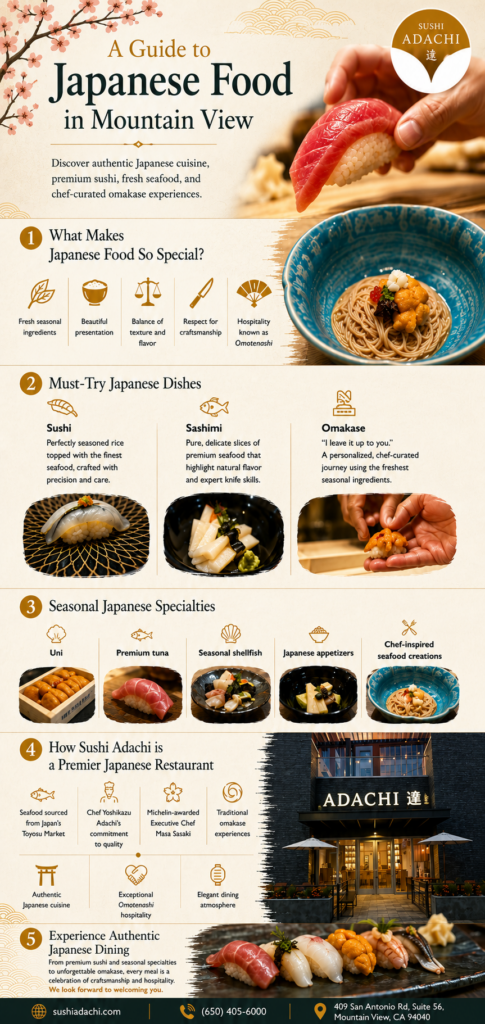
Mountain View has become one of Silicon Valley’s top destinations for exceptional dining, and Japanese cuisine continues to be a favorite among locals and visitors alike. Whether you’re looking for fresh sushi, premium seafood, or an unforgettable omakase experience, authentic Japanese food offers a balance of simplicity, artistry, and seasonal ingredients that few cuisines can match.

Among the area’s dining destinations, Sushi Adachi stands out as a premier Japanese restaurant in Mountain View, bringing together traditional Japanese craftsmanship, world-class seafood, and genuine hospitality.

What Makes Japanese Food So Special?

Japanese cuisine is built around one simple philosophy: let exceptional ingredients shine. Instead of masking flavors with heavy sauces or spices, Japanese chefs focus on enhancing the natural taste of every ingredient through careful preparation and precise techniques.

Traditional Japanese cuisine emphasizes:

  • Fresh seasonal ingredients
  • Beautiful presentation
  • Balance of texture and flavor
  • Respect for craftsmanship
  • Hospitality known as Omotenashi

These principles are reflected in every dish served at Sushi Adachi.

Must-Try Japanese Dishes

Sushi

Sushi remains one of the most recognized Japanese foods around the world. Prepared with seasoned rice and the freshest seafood, sushi showcases both flavor and artistry. Whether you enjoy nigiri, maki rolls, or hand rolls, fresh ingredients make all the difference.

Guests searching for the best sushi in Mountain View often appreciate restaurants that prioritize premium seafood and traditional preparation techniques.

Sashimi

Unlike sushi, sashimi highlights the fish alone. Each slice is carefully cut to emphasize texture, freshness, and natural flavor. At Sushi Adachi, premium seafood is selected daily to ensure every piece reflects the highest quality possible.

Omakase

One of Japan’s finest culinary traditions is Omakase, which translates to “I leave it up to you.” Instead of ordering individual dishes, guests trust the chef to create a personalized tasting experience using the freshest seasonal ingredients available. For diners seeking Omakase in Mountain View, this offers an unforgettable journey through authentic Japanese cuisine.

Seasonal Japanese Specialties

Japanese menus often evolve with the seasons.

Depending on availability, diners may enjoy:

  • Uni
  • Premium tuna
  • Seasonal shellfish
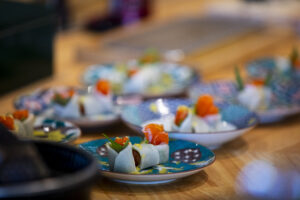
  • Japanese appetizers
  • Chef-inspired seafood creations

Seasonality is one of the defining characteristics of authentic Japanese food.

Why Fresh Seafood Matters

The quality of Japanese cuisine begins long before it reaches the kitchen. At Sushi Adachi, veteran Tokyo Sushi Chef Adachi personally selects premium seafood from Japan’s renowned Toyosu Market. These carefully chosen ingredients arrive in Mountain View within 24 hours, preserving exceptional freshness and quality.

This commitment allows every sushi and sashimi course to highlight the true flavor of the seafood rather than relying on unnecessary additions.

Why Sushi Adachi Is a Premier Japanese Restaurant in Mountain View

Sushi Adachi combines authentic Japanese traditions with world-class culinary expertise.

Guests choose Sushi Adachi because of its:

  • Seafood sourced from Japan’s Toyosu Market
  • Chef Adachi’s commitment to quality
  • Michelin-awarded Executive Chef Masa Sasaki
  • Traditional omakase experiences
  • Authentic Japanese cuisine
  • Exceptional Omotenashi hospitality
  • Elegant dining atmosphere

These qualities have made Sushi Adachi one of the most respected destinations for Japanese food in Mountain View and Silicon Valley.

Experience Authentic Japanese Food in Mountain View

Whether you’re discovering Japanese cuisine for the first time or you’re an experienced sushi enthusiast, Sushi Adachi offers an authentic dining experience centered around craftsmanship, premium ingredients, and heartfelt hospitality.

From beautifully prepared sushi and sashimi to unforgettable omakase experiences, every visit celebrates the traditions of Japanese cuisine while creating lasting memories for every guest.

Ready to experience authentic Japanese food in Mountain View? Reserve your table at Sushi Adachi and enjoy premium sushi, fresh seafood sourced from Japan’s Toyosu Market, and an unforgettable omakase experience. 

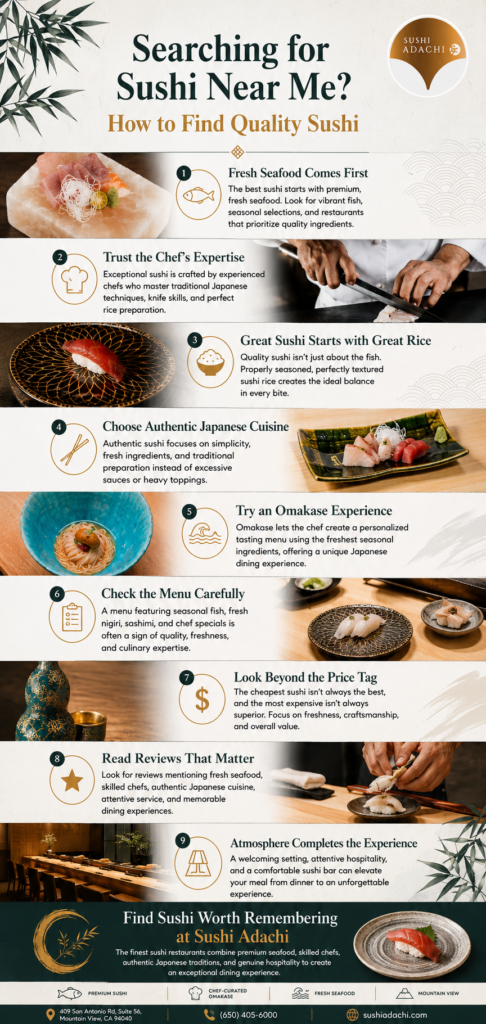
Searching for Sushi Near Me? Here’s How to Find Quality Sushi

Finding great sushi in Mountain View or anywhere in Silicon Valley starts with knowing what matters beyond convenience. When you type “sushi near me,” the top results are plentiful, but the best spot balances fresh fish, skilled preparation, and an atmosphere that matches your mood, whether you want a quick lunch roll, an omakase experience, or a relaxed dinner with friends. 

While convenience matters, not every sushi restaurant offers the same level of freshness, craftsmanship, or authenticity. Quality sushi is about much more than beautifully arranged rolls. The finest sushi restaurants focus on premium ingredients, experienced chefs, traditional techniques, and exceptional hospitality that elevate every meal.

Whether you’re planning a casual dinner, celebrating a special occasion, or exploring Japanese cuisine for the first time, knowing what to look for can help you find a sushi restaurant worth visiting. Understanding the following elements can help you identify restaurants that offer more than just a meal, they offer an authentic Japanese dining experience.

Fresh Seafood Is the Foundation of Great Sushi

No ingredient has a greater impact on sushi than the seafood itself. Fresh fish should have a clean aroma, vibrant appearance, and delicate texture that highlights its natural flavor. High-quality sushi restaurants devote significant attention to sourcing seafood, ensuring that each ingredient arrives in peak condition before it reaches the sushi counter.

Many respected Japanese restaurants also build their menus around seasonal availability. Rather than offering the exact same selection every day, they adapt their offerings to showcase fish and seafood that are at their best during different times of the year. This commitment to seasonality reflects one of the core principles of Japanese cuisine and often results in a more memorable dining experience.


The Skill of the Sushi Chef Makes All the Difference

Behind every exceptional piece of sushi is a chef who has spent years refining their craft. Sushi preparation is one of the most disciplined culinary arts, requiring extensive training in knife techniques, fish selection, rice preparation, and presentation.

Experienced chefs understand how subtle variations in temperature, texture, and seasoning influence each bite. They know when seafood has reached its ideal maturity, how to prepare rice with perfect consistency, and how to balance flavors without overwhelming the natural qualities of the ingredients. Watching a skilled sushi chef at work is often part of the experience itself, offering diners a deeper appreciation for the precision and artistry behind every course.

Sushi Rice Is Just as Important as the Fish

While seafood often receives the most attention, sushi rice is equally important to creating exceptional sushi. In fact, many Japanese chefs consider perfectly prepared rice to be the heart of every piece of nigiri.

The rice should be lightly seasoned, slightly warm, and carefully shaped to complement the seafood placed on top. Its texture should hold together without becoming dense or sticky, allowing each bite to feel balanced and effortless. When the rice is prepared with the same level of care as the fish, the entire dining experience is elevated.

Authentic Japanese Restaurants Focus on Simplicity

One of the defining characteristics of authentic Japanese cuisine is restraint. Rather than relying on excessive sauces or elaborate toppings, traditional sushi allows premium ingredients to speak for themselves.

This minimalist philosophy emphasizes clean flavors, precise preparation, and thoughtful presentation. Every element on the plate has a purpose, creating harmony rather than distraction. The result is a dining experience that celebrates the quality of the ingredients instead of masking them. When searching for the best sushi near me, restaurants that embrace this philosophy often provide a more authentic representation of Japanese culinary traditions.

Omakase Offers a Different Way to Experience Sushi

For those looking to explore Japanese cuisine more deeply, omakase offers a completely different perspective on sushi dining. Instead of ordering individual dishes, guests place their trust in the chef to create a personalized tasting menu using the freshest ingredients available that day.

Each course is carefully selected to build upon the previous one, creating a progression of flavors, textures, and seasonal ingredients. Because every menu changes with availability and the chef’s inspiration, no two omakase experiences are exactly alike. This chef-curated approach allows diners to discover ingredients and preparations they may never have considered ordering on their own, making omakase one of the most rewarding ways to experience Japanese cuisine.

Look Beyond Online Ratings

Customer reviews can be helpful, but they become much more valuable when you look beyond the overall star rating. Detailed reviews often reveal insights about consistency, ingredient quality, service, and the overall dining experience.

Pay attention to comments describing fresh seafood, knowledgeable chefs, attentive hospitality, and memorable omakase experiences. Restaurants that consistently receive praise for these qualities have often earned loyal guests who return because of the experience rather than convenience alone.

The Dining Atmosphere Completes the Experience

The setting plays an important role in Japanese dining. A thoughtfully designed restaurant creates an environment where guests can slow down, appreciate each course, and enjoy meaningful conversation.

Many of the finest sushi restaurants feature minimalist interiors, comfortable seating, and an intimate sushi counter where diners can observe the chefs at work. Combined with attentive service and a welcoming atmosphere, these details help transform dinner into a memorable occasion. Whether you’re planning a date night, celebrating a milestone, or meeting clients, the ambiance contributes just as much to the experience as the food itself.

Finding a Sushi Restaurant That Values Quality

The Silicon Valley best sushi restaurants share a common commitment to craftsmanship. They prioritize fresh seasonal seafood, invest in experienced chefs, respect traditional Japanese techniques, and focus on delivering genuine hospitality.

Rather than trying to impress with oversized rolls or excessive ingredients, they allow simplicity, balance, and precision to define every dish. This dedication to quality is what separates an exceptional sushi restaurant from an average one. As diners become more interested in authentic Japanese cuisine, these qualities continue to distinguish restaurants that are truly committed to their craft.

Price vs. Value: Understanding Sushi Pricing

Price alone doesn’t determine the quality of sushi. While very inexpensive sushi may reflect lower-quality ingredients or shortcuts in preparation, the highest prices don’t always guarantee the best dining experience. Instead, look for restaurants that offer a balance of premium seafood, skilled craftsmanship, and fair pricing. Lunch specials and omakase experiences are also excellent ways to enjoy authentic Japanese cuisine while experiencing the chef’s expertise at a great value.

Quick Checklist Before You Go

  • Recent reviews mention freshness and flavor.
  • The menu has nigiri, sashimi, and daily specials.
  • Photos show a clean presentation and glossy fish.
  • Reasonable pricing for premium items.
  • Clear info on sourcing or sustainability.
  • Clean dining area and attentive staff.

If you’re looking for an authentic sushi restaurant in Mountain View, Sushi Adachi offers a dining experience rooted in traditional Japanese craftsmanship, premium seafood, and genuine Omotenashi hospitality. Whether you’re enjoying beautifully prepared sushi or a chef-curated omakase experience, every visit reflects a commitment to quality and authenticity. 

Reserve your table today and discover why Sushi Adachi is a favorite destination for sushi lovers throughout Mountain View and Silicon Valley.