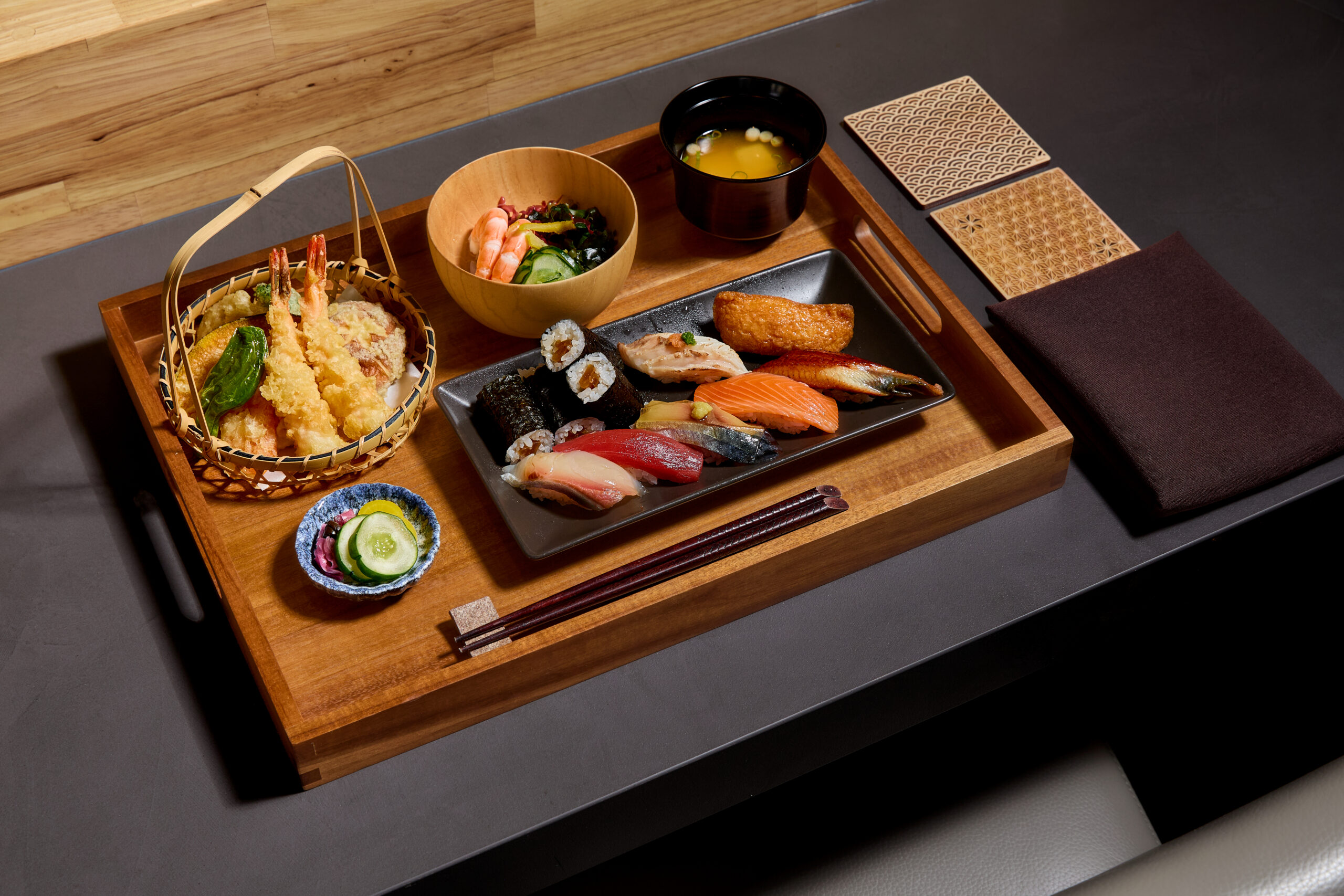
Japanese cuisine is celebrated worldwide for its simplicity, precision, and respect for exceptional ingredients. Among its most treasured culinary traditions is omakase, a dining experience that transforms an ordinary meal into an unforgettable journey guided entirely by the chef.
As appreciation for authentic Japanese cuisine continues to grow, omakase in Silicon Valley has become increasingly sought after by food enthusiasts, business professionals, and travelers looking for something beyond a traditional sushi dinner. Rather than ordering from a menu, guests place their trust in the chef, allowing each course to unfold as a carefully crafted expression of seasonality, craftsmanship, and culinary artistry.
What Does Omakase Mean?
The Japanese word “omakase” (お任せ) translates to “I leave it up to you.”
In an omakase experience, diners entrust the chef to select and prepare each course using the freshest seasonal ingredients available. Every meal is thoughtfully designed to highlight natural flavors, showcase technical skill, and create harmony from beginning to end. Unlike fixed tasting menus, omakase changes regularly based on ingredient availability, seasonality, and the chef’s creative vision. This makes every dining experience truly unique.
The Philosophy Behind Omakase
Omakase reflects many of the values at the heart of Japanese culture. Rather than offering endless choices, the experience emphasizes trust, respect, and craftsmanship. Diners allow the chef to determine the progression of each course, confident that every selection has been made with intention and expertise. This philosophy encourages guests to slow down, appreciate subtle flavors, and enjoy food in its purest form. The experience is not only about eating, it is about appreciating the dedication, discipline, and artistry behind every bite.
Every Omakase Experience Is Different
One of the defining characteristics of omakase is that no two meals are exactly alike. Menus evolve according to seasonal seafood, fresh market availability, regional specialties, the chef’s inspiration, and traditional Japanese culinary techniques. A guest visiting in spring may enjoy completely different dishes than someone dining during autumn or winter. This ever-changing nature is one reason why many enthusiasts return repeatedly throughout the year.
Why Fresh Ingredients Matter
Exceptional omakase begins with exceptional ingredients. Japanese chefs often source premium seafood from renowned fish markets while selecting ingredients at the peak of freshness. High-quality fish allows chefs to highlight delicate textures and natural flavors without unnecessary sauces or heavy seasoning. Every ingredient is chosen for its balance, freshness, and suitability within the overall progression of the meal. This dedication to quality is what separates authentic omakase from an ordinary sushi dinner.
The Role of the Sushi Chef
In omakase, the chef is more than a cook. They become both host and storyteller. Years of rigorous training allow skilled sushi chefs to understand every aspect of Japanese culinary craftsmanship, including knife techniques, rice preparation, fish aging, ingredient pairing, seasonal menu development, and presentation.
Each course is served at precisely the right moment, ensuring guests enjoy every bite at its optimal temperature and texture. Watching a master chef prepare each piece by hand becomes part of the overall experience.
What to Expect During an Omakase Experience
Although every restaurant has its own style, many omakase meals follow a thoughtful progression. Guests may enjoy:
- Seasonal appetizers
- Delicate sashimi
- Chef-selected nigiri
- Rare seafood specialties
- Warm Japanese dishes
- Signature seasonal creations
- A light dessert
Each course builds naturally upon the previous one, creating a balanced and memorable culinary journey. Rather than rushing through dinner, guests are encouraged to appreciate each individual course before the next arrives.
Why Omakase Has Become Popular in Silicon Valley
Silicon Valley is home to a diverse community with an appreciation for innovation, quality, and global cuisine. As diners increasingly seek authentic culinary experiences rather than conventional restaurant meals, omakase has become one of the region’s most desirable dining options. Its popularity continues to grow because it offers:
- Personalized dining
- Premium seasonal ingredients
- Artistic presentation
- Limited seating for an intimate atmosphere
- Ever-changing menus
- A memorable experience suitable for celebrations and business dinners
Whether celebrating a milestone or simply exploring Japanese cuisine, omakase offers something unlike any traditional restaurant experience.
Tips for Your First Omakase Experience
If you’re planning your first omakase meal, a few simple practices can enhance the experience.
- Arrive on time, as meals often follow a carefully timed progression.
- Trust the chef and remain open to trying seasonal ingredients.
- Avoid wearing strong fragrances that may interfere with delicate aromas.
- Eat each course shortly after it is served to enjoy optimal flavor and texture.
- Ask respectful questions if you’re curious about the ingredients or preparation.
Approaching omakase with curiosity and appreciation allows you to fully experience the craftsmanship behind every course.
For anyone seeking an experience of authentic Japanese dining in Silicon Valley, omakase offers a remarkable way to discover the artistry behind Japanese cuisine. Every course tells a story, making omakase one of the most rewarding culinary experiences available.
If you’re ready to experience the artistry of authentic omakase firsthand, Sushi Adachi invites you to discover a chef-curated dining experience featuring premium seasonal seafood, traditional Japanese techniques, and genuine Omotenashi hospitality.
Reserve your table today and experience one of Silicon Valley’s premier omakase destinations.